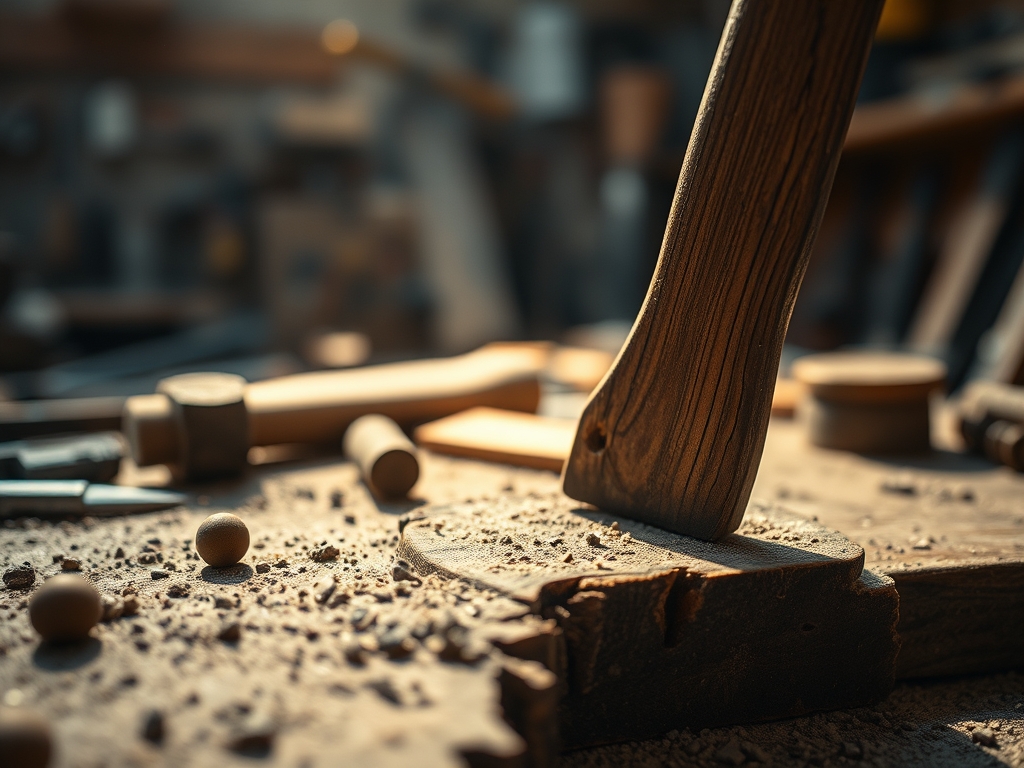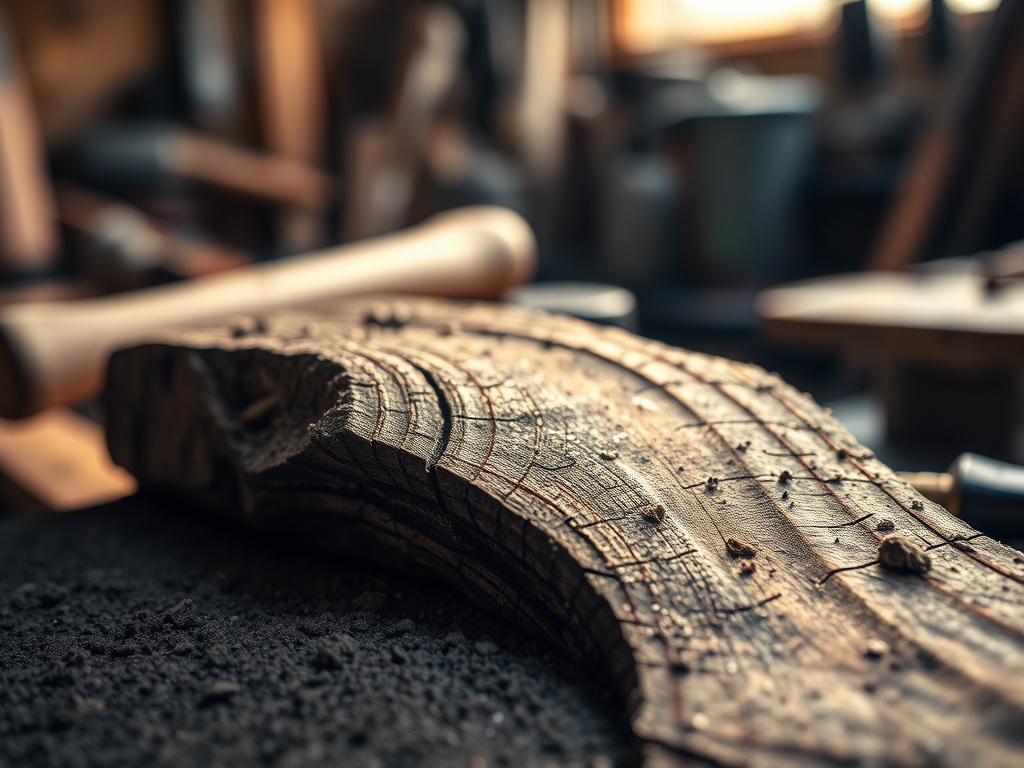
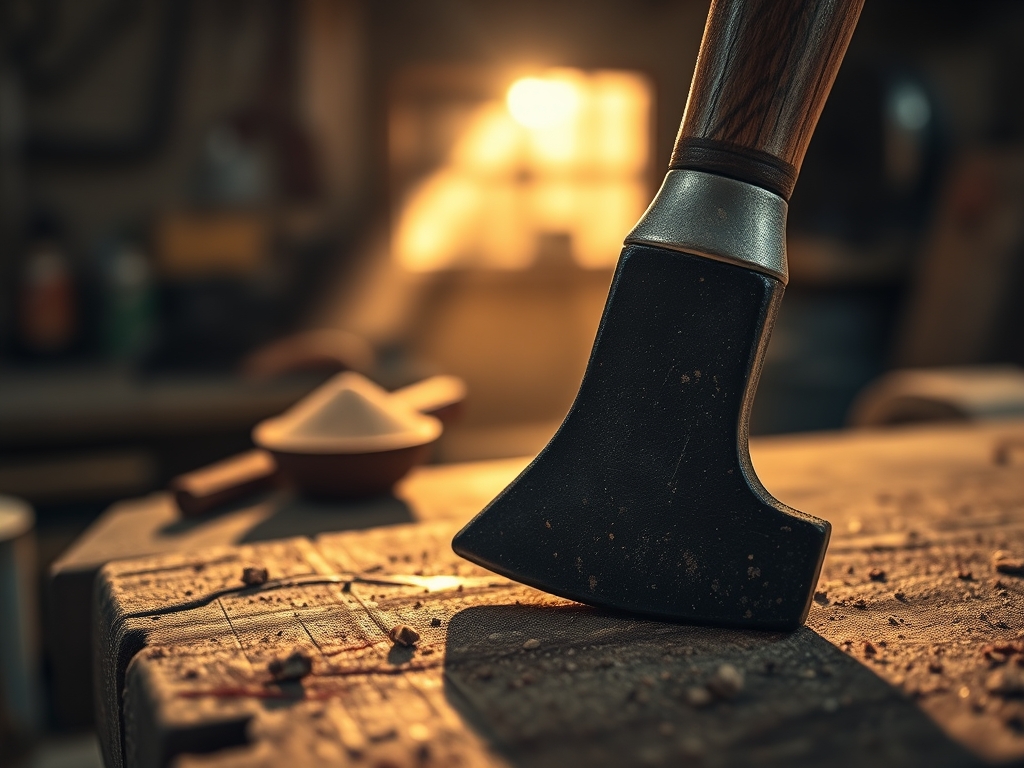
Close your eyes and run your fingertips across that raw, thirsty surface. You feel the microscopic ridges where the steel blade of your planer met the cellular structure of the timber. Right now, it is just a skeleton of a project; it lacks that deep, soulful glow that defines a professional piece. We are about to transform that dull grain into a shimmering masterpiece. Mastering the Wood Finish is not just about aesthetics; it is about the molecular marriage between liquid lipids and cellulose fibers. When you apply that first drop of oil, you are initiating a chemical bond that hardens within the pores to provide lasting structural integrity. We are moving beyond the surface. We are diving deep into the tactile soul of the wood to create a finish that feels like silk but wears like iron. Grab your favorite apron and clear your workbench; we are going to make this grain sing with a clarity you never thought possible.
THE STUDIO KIT

THE STUDIO KIT
To achieve a gallery-grade finish, your kit must be as precise as a jeweler's saw. We are looking for high-quality polymerizing oils like pure Tung oil or Boiled Linseed Oil (BLO). These are not mere coatings; they are penetrating finishes that undergo an exothermic reaction to harden within the wood. You will need a stack of lint-free tack cloths to ensure zero debris interference. For the prep phase, skip the cheap sandpaper and grab high-performance stearated abrasives in a progression from 120 to 400 grit.
You should also have a set of digital calipers on hand to measure the thickness of your veneers, ensuring you do not sand through the ply. A burnishing tool or a smooth bone folder can be used to compress the fibers on end-grain sections to prevent over-absorption. If you are working with tight corners, an oscillating tool with a detail sanding attachment is your best friend.
Material Substitutions: If you cannot find pure Tung oil, a high-solids Danish oil is a fantastic alternative. For those looking for a vegan or food-safe option, raw walnut oil provides a beautiful, though slower-curing, result. If you lack a tack cloth, a microfiber rag dampened with a tiny amount of mineral spirits will effectively lift the particulate matter from the grain.
THE TEMPO
The "Maker's Rhythm" is all about patience and atmospheric awareness. This is not a project you can rush in an afternoon. You must account for the ambient humidity and temperature of your studio, as these variables dictate the evaporation rate of solvents.
Expect to spend approximately two hours on the initial surface preparation. The application of the first coat takes thirty minutes, followed by a mandatory twenty-four-hour "gas-off" period. Subsequent coats require less oil but more friction. Total project duration usually spans five to seven days. Remember, the wood is a living, breathing substrate; it needs time to stabilize as the oil saturates the capillary network of the fibers.
THE CORE METHOD
1. The Micro-Sanding Foundation
Begin by sanding with the grain using a progressive grit sequence. Use your calipers to check for uniform thickness across the board. The goal is to remove all "planer chatter" and create a perfectly level surface.
Mastery Tip: This process relies on abrasive friction to open the wood pores. If you sand too fine too early, you risk "burnishing" the wood, which collapses the cells and prevents the oil from penetrating. Always stop at 400 grit for oil finishes to maintain optimal porosity.
2. The Saturation Soak
Apply a generous amount of oil using a circular motion to force the liquid into the grain. Watch for "dry spots" where the wood is particularly thirsty. This is common in porous species like oak or walnut.
Mastery Tip: This step utilizes capillary action. The oil is drawn into the wood's vascular tubes through surface tension. By keeping the surface "wet" for twenty minutes, you ensure the oil reaches the maximum depth possible before the polymerization begins.
3. The Friction Burnish
After the oil has sat for twenty minutes, take a clean cloth and buff the surface vigorously. You want to remove every bit of standing oil. If the surface feels tacky, you have waited too long.
Mastery Tip: The heat generated by mechanical friction lowers the viscosity of the oil, allowing it to level out perfectly. This prevents the "orange peel" effect and ensures a thin, even film that will cure at a uniform rate across the entire piece.
4. The Iterative Refinement
Wait twenty-four hours, then lightly scuff the surface with 0000 steel wool or a high-grit abrasive pad. Repeat the oil application, but use significantly less product this time.
Mastery Tip: Each layer increases the refractive index of the finish. By building thin, hard layers, you are creating a microscopic lens that allows light to hit the wood fibers and bounce back, which is what creates that coveted "depth" in the grain.
THE TECHNICAL LEDGER
Maintenance & Longevity: An oil-rubbed finish is "living." To maintain the hydrophobic barrier, apply a fresh "maintenance coat" once a year. This replenishes the lipids that may have evaporated or been stripped by household cleaners.
Material Variations:
- Sustainable: Look for cold-pressed linseed oils which avoid heavy metal driers.
- Premium: Polymerized Tung oil offers the highest level of water resistance and tensile strength in the cured film.
- Recycled: When working with reclaimed timber, use a dewaxed shellac sealer first to prevent old contaminants from bleeding into your oil.
The Correction:
- The Blotchy Patch: Caused by uneven density. Fix by sanding back to 120 grit and applying a "pre-stain" conditioner to equalize absorption rates.
- The Dust Nib: Small bumps in the finish. Fix by wet-sanding with the finishing oil and a 600-grit paper to create a "slurry" that fills the void.
- The Tacky Surface: Caused by excess oil. Fix by wiping the piece down with a rag soaked in mineral spirits to dissolve the uncured resin.
Studio Organization: Store your oil-soaked rags in a water-filled metal canister. The curing process of oil is exothermic, meaning it generates heat; bunched-up rags can spontaneously combust. Keep your oils in a cool, dark cabinet to prevent UV-induced degradation of the polymers.
THE FINAL REVEAL
Look at that! The transformation is staggering. What was once a pale, flat piece of lumber now has a three-dimensional quality that catches the light from every angle. The grain lines are sharp, the color is rich, and the surface feels incredibly organic. You have successfully navigated the physics of molecular bonding to create a finish that is both protective and breathtaking. This piece is no longer just "made"; it is engineered for beauty.
STUDIO QUESTIONS
How do I know if the wood is sanded enough?
Splash a tiny drop of mineral spirits on the surface. If the grain looks clear and uniform without scratches, your surface preparation is complete. If you see swirls, go back to your 180-grit abrasive and work up again.
Why does my oil finish look dull after drying?
This usually happens because the wood is "starved." The first few coats are absorbed deep into the cellular structure. Continue applying thin coats and burnishing until the wood reaches a state of "saturation" and maintains a soft sheen.
Can I put wax over an oil finish?
Yes, but only after the oil has fully cured, which takes about thirty days. A high-quality carnauba wax provides an extra layer of protection and increases the tactile smoothness of the final piece.
Is an oil rub finish waterproof?
It is highly water-resistant but not entirely waterproof like a polyurethane plastic film. The oil creates a hydrophobic surface that beads water, but standing liquid should be wiped up promptly to prevent "blushing" or white water spots.
How do I handle the end grain?
End grain is like a bundle of straws; it absorbs oil much faster than the face grain. Sand the end grain to a higher grit (up to 600) to "burnish" the pores shut, ensuring a consistent color across the project.