Imagine the scent of high proof alcohol mingling with the sweet, resinous aroma of dried insect secretions. It sounds bizarre; however, that is the intoxicating fragrance of a master woodworker's studio. When you run your fingertips over a raw walnut board, you feel the open pores and the thirsty grain waiting for a transformation. We are not just painting a surface. We are building a crystalline structure of light. To achieve that legendary glow, you must master French Polish Secrets. The process is a dance of friction and evaporation. You are literally melting layers of shellac into one another until the wood disappears behind a sheet of amber glass. It is a tactile journey where your hand becomes a sensor, detecting the slightest drag or heat. We are going to turn that dull timber into a liquid mirror that looks three inches deep. Grab your apron; we are about to get very technical and a little bit messy.
THE STUDIO KIT
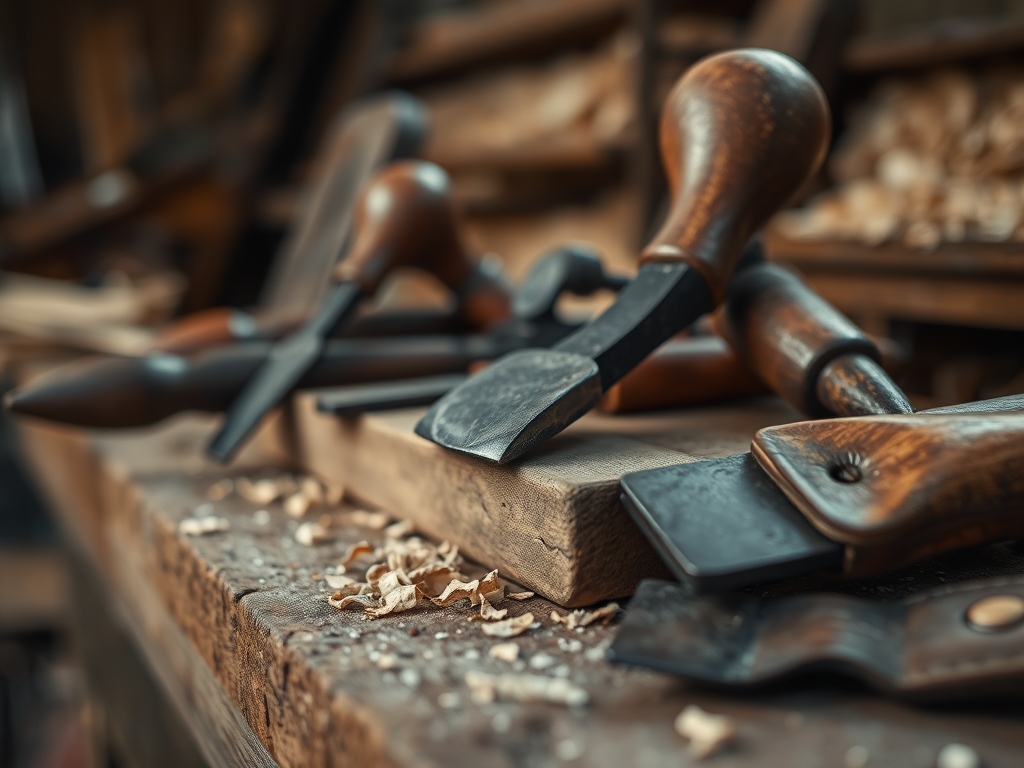
To begin, you need a high grade dewaxed shellac flake. Standard hardware store cans often contain wax, which interferes with the tensile strength of the finish and prevents subsequent layers from bonding. You will also need 190 proof grain alcohol or high quality denatured alcohol as your solvent. The "fad" or "rubber" is your primary tool. This is a core of raw wool or surgical gauze wrapped in a lint free linen cover. Linen is essential because its fiber density allows the shellac to flow evenly without leaving stray threads in the film.
You will also need a lubricant. I prefer high grade mineral oil or walnut oil. This prevents the rubber from sticking to the previous layer as you build the finish. For surface preparation, keep a digital caliper nearby to measure the thickness of your veneers and a set of high grit abrasives ranging from 320 to 1200.
Material Substitutions: If you cannot find raw wool for the core of your rubber, a clean cotton sock works in a pinch, though it holds less charge. If linen is unavailable, an old, high thread count cotton t-shirt that has been washed dozens of times will suffice. However, never substitute the alcohol for lower proof versions; water content will cause "blushing," which is the trapped moisture turning your finish cloudy.
THE TEMPO
The "Maker's Rhythm" is less about the clock and more about the evaporation rate of your solvent. French polishing is a marathon, not a sprint. You should expect to spend roughly ten to fifteen hours of active labor on a medium sized tabletop, spread over the course of two weeks.
The initial "bodying up" phase takes about three days of intermittent sessions. You apply a few sets of passes, then let the piece rest for several hours. This rest period is vital because the shellac "shrinks" as the alcohol departs the film. If you rush, you will end up with "witness lines" or a finish that looks sunken a month later. The final "spiriting off" and curing phase requires a full week of patience. You are waiting for the resin to reach its maximum structural integrity before the final burnish.
THE CORE METHOD
1. Grain Filling and Sealing
Before the mirror appears, the "valleys" of the wood grain must be leveled. I use a technique called "pumicing." By sprinkling a tiny amount of 4F pumice powder on the wood and lubricating it with alcohol, you create a slurry of wood dust and resin that packs into the porous structure of the grain.
Mastery Tip: This utilizes capillary action. The alcohol pulls the fine dust into the deepest microscopic voids of the tracheids, creating a perfectly flat foundation. Without this, your mirror finish will eventually "telegraph" the grain pattern as the finish settles.
2. Charging the Fad
You never pour shellac directly onto the wood. Instead, you open your linen wrap and "charge" the inner wool core with a 2-pound cut of shellac. Squeeze the rubber against the back of your hand to test the flow. It should feel cool and damp, not dripping wet.
Mastery Tip: The surface tension of the liquid must be high enough to stay within the fad but low enough to transfer to the wood upon contact. This balance ensures a thin, even distribution of resin molecules.
3. The Bodying Passes
Move the rubber in continuous circular or "figure eight" motions. Never stop the rubber on the surface, or the solvent will instantly melt the previous layers and leave a permanent mark. As the rubber starts to "grab," add a single drop of oil to the face of the linen.
Mastery Tip: The oil acts as a friction reducer. It floats on top of the shellac, allowing you to apply pressure without tearing the delicate, partially cured film beneath. This pressure is what forces the new resin to fuse with the old.
4. Spiriting Off
Once you have built a thick enough "body," you must remove the lubricating oil. You do this by using a fresh rubber charged only with a tiny amount of pure alcohol. This is the most delicate stage of the process.
Mastery Tip: This involves solubility dynamics. The alcohol vapors pull the oil to the surface while simultaneously leveling the microscopic ridges left by the previous passes. It results in a surface that is optically flat.
THE TECHNICAL LEDGER
Maintenance & Longevity: Shellac is an "evaporative finish," meaning it can always be repaired by adding more solvent. To maintain the shine, avoid harsh chemicals. A simple wipe with a damp microfiber cloth is sufficient. If the luster fades over years, a quick "refresh" pass with a light shellac charge will restore the glow.
Material Variations:
- Sustainable: Use reclaimed shellac flakes and organic grain alcohol.
- Premium: Opt for "Super Blonde" dewaxed flakes for light woods like maple to prevent yellowing.
- Recycled: You can use old silk scarves for the outer wrap of your fad for an ultra-fine finish.
The Correction:
- The Burn: If you stop the rubber and melt the finish, let it dry for 24 hours. Level the area with 600 grit sandpaper and start the bodying process again.
- Fat Edges: Excess shellac buildup at the corners. Use a bone folder or a small block to sand the edges flat before the final spiriting.
- Oil Pits: If you use too much oil, the finish will look hazy. Use more alcohol during the spiriting phase to "pull" the oil out.
Studio Organization: Store your shellac flakes in a cool, dark place. Once mixed with alcohol, shellac has a shelf life of about six months. Use a rotary cutter to prep your linen squares in bulk and store them in an airtight jar to keep them soft and ready for the next session.
THE FINAL REVEAL
When you finally set down the rubber and step back, the transformation is breathtaking. The wood no longer looks like a solid object; it looks like a pool of deep, golden water. The tactile feedback of the surface is silk-smooth, and the chatoyancy of the grain shifts as you move around the room. This is the pinnacle of the craft. You have taken raw materials and, through physics and patience, created a finish that modern sprays can never truly replicate. It is an heirloom quality glow that begs to be touched.
STUDIO QUESTIONS
What is the best shellac to alcohol ratio?
A "2-pound cut" is standard. This means dissolving two pounds of shellac flakes into one gallon of alcohol. For French polishing, many pros prefer a thinner "1-pound cut" for better control and smoother layers during the final passes.
How do I know when to add oil?
Add oil only when the rubber begins to "drag" or stick to the surface. If you feel resistance, a single drop of mineral oil on the fad face will restore the smooth glide needed to prevent surface tearing.
Can I French polish over a stain?
Yes, but ensure the stain is completely dry and non-reactive to alcohol. Water-based or oil-based stains work best. Always test a small area first to ensure the shellac solvent does not bleed or lift the underlying color.
Why is my finish turning cloudy or white?
This is called "blushing." It happens when high humidity traps moisture under the shellac or if your alcohol has a high water content. Only polish in a dry environment and use 190 proof solvent to ensure a crystal clear film.