
The smell of freshly milled black walnut is basically my version of expensive perfume; it is earthy, slightly sweet, and carries that unmistakable scent of tannins reacting with the oxygen in my studio. There is a specific vibration you feel in your palms when a sharp blade meets a high density grain. It is a tactile conversation between the cellular structure of the wood and the hardened steel of your tools. However, that conversation turns into a scream the moment you lose focus. Mastering Professional Shop Safety is not about being afraid of your machinery; it is about respecting the physics of force and the unforgiving nature of torque. When I am standing at the table saw, I am not just cutting a board. I am managing the tensile strength of the timber and the centrifugal energy of a blade spinning at four thousand revolutions per minute. One wrong move and the wood binds, the blade kicks, and the physics of the shop will rewrite your weekend plans in the emergency room. We keep things precise, sharp, and safe.
THE STUDIO KIT
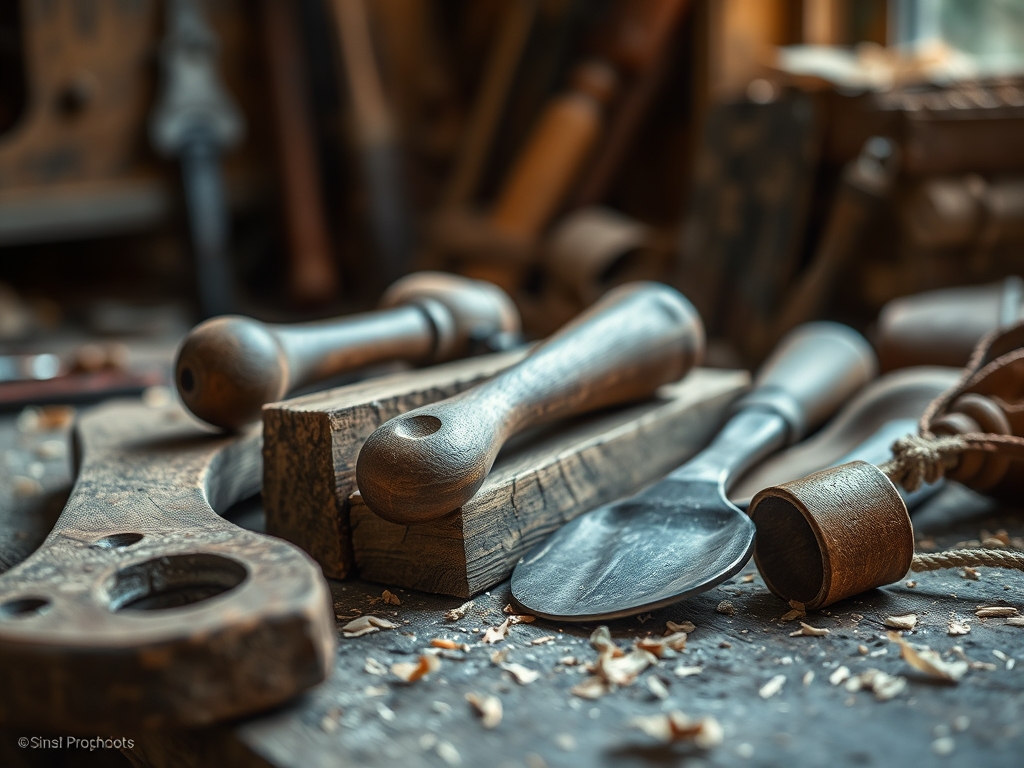
To maintain a high level of Professional Shop Safety, your kit must be an extension of your body. We start with digital calipers for measuring thickness down to the thousandth of an inch; precision prevents the material binding that leads to kickbacks. You will need a high quality push stick or a GRR-RIPPER system to act as a sacrificial limb. For the materials, we are working with hardwood ply and solid maple. Maple has a high Janka hardness rating, meaning it resists compression but can burn if your feed rate is too slow.
If you cannot find maple, a great Material Substitution is white oak. It offers similar structural integrity but has a more porous grain that requires different finishing techniques. You also need a honing guide for your chisels. A dull blade requires more force to push through the wood fibers, and more force equals less control. We also use nitrile gloves for finishing and polycarbonate eye protection that meets ANSI Z87.1 standards. This is not just about fashion; it is about keeping high velocity splinters out of your corneas.
THE TEMPO
The "Maker's Rhythm" is a psychological state where your movements become fluid and calculated. For this project, the preparation phase takes approximately two hours. This involves checking the squareness of your fences and the sharpness of every tooth on your blades. You cannot rush the calibration phase. If your fence is off by even a fraction of a degree, you create internal stress in the wood as it passes the blade, which can lead to a dangerous pinch.
The execution phase is where the tempo slows down. Each cut is a three second window of total concentration. I count my breaths to ensure I am not tensing my shoulders. Finally, the finishing phase takes about four hours of active work spread over two days to allow for proper evaporation rates of the oils. If you try to compress this timeline, you end up with "sticky" surfaces or, worse, you start taking shortcuts with your fingers near the spinning bits. Respect the clock, and the clock will respect your limbs.
THE CORE METHOD
1. The Zero Point Calibration
Before the motor even hums, you must check the alignment of your riving knife. This metal plate sits behind the blade to keep the kerf open. If the wood closes on the back of the blade, the rotation will hurl the piece back at you. Use your calipers to ensure the riving knife is slightly thinner than the blade's teeth but thicker than the blade's body.
Mastery Tip: This relies on the science of internal tension. Wood is a living material that holds "memory" of its growth; when you cut it, those internal stresses release, causing the wood to warp or pinch instantly.
2. The Strategic Grip
Position your hands at least six inches away from the line of fire. I use an ergonomic push block with a high friction rubber base. This allows me to apply downward pressure and forward momentum simultaneously. Never "cross over" your body; keep your stance wide and your center of gravity low.
Mastery Tip: This utilizes friction coefficients. The rubber on the block must have a higher grip than the friction of the wood against the table to ensure the board moves exactly where you dictate.
3. Managing the Grain Direction
Always feed your material against the rotation of the cutter. If you feed "with" the rotation, the tool will climb the wood and pull your hand into the blade. This is known as a climb cut, and it is the fastest way to lose a finger. Observe the grain direction; if the fibers are "rising," you risk tear out.
Mastery Tip: This is about shear force. By cutting against the grain, the blade severs the fibers cleanly rather than lifting them and splitting the board along its natural cleavage planes.
4. The Clean Exit
As the tail end of the board passes the blade, do not reach over the spinning tool to grab your piece. Wait for the blade to come to a complete stop. I use a magnetic featherboard to keep the material pressed against the fence so I do not have to use my hands near the exit point.
Mastery Tip: This addresses rotational inertia. Even after the power is cut, the blade has enough kinetic energy to cause a deep laceration. Silence does not always mean safety.
THE TECHNICAL LEDGER
Maintenance & Longevity: Your tools need a spa day once a month. Use a resin remover to clean the pitch off your blades. Built up resin increases friction, which generates heat and dulls the carbide tips. Coat your cast iron surfaces with a microcrystalline wax to prevent oxidation and reduce drag.
Material Variations: If you are using recycled timber, you must run a metal detector over every inch. A single hidden nail will shatter a carbide tooth, turning your saw into a shrapnel launcher. For premium hardwoods, ensure the moisture content is between 6% and 8% using a pinless moisture meter to prevent post project warping.
The Correction:
- The Burn Mark: If you see smoke, your feed rate is too slow or your blade is dull. Fix: Clean the blade and increase your pace.
- The Snipe: This is a deeper cut at the beginning or end of a board. Fix: Adjust your infeed and outfeed rollers to be perfectly level with the table.
- The Kickback: If the wood flies back, your fence is likely not parallel to the blade. Fix: Re-align the fence using a dial indicator.
Studio Organization: Store your lumber horizontally on a rack with spacers (stickers) between layers. This allows for airflow and prevents the wood from bowing. Keep your safety gear in a "First Touch" zone near the door so you never start a machine without your armor on.
THE FINAL REVEAL
Look at that finish! When you follow the rules of Professional Shop Safety, the result is a piece that looks as sharp as your blades. The edges are crisp, the joinery is seamless, and the surface has that burnished glow that only comes from precise tool work. There is a profound sense of pride in looking at a complex build and knowing that every measurement was exact and every movement was intentional. You kept your focus, you mastered the physics, and most importantly, you kept all ten fingers to build again tomorrow.
STUDIO QUESTIONS
What is the most dangerous tool in the shop?
Statistically, the table saw causes the most injuries due to kickback and blade contact. However, a dull chisel is equally dangerous because it requires excessive, uncontrolled force. Always maintain Professional Shop Safety by keeping every cutting edge razor sharp and using guards.
How do I prevent wood from splintering?
Splintering occurs when the blade exits the wood fibers without support. Use a zero clearance insert on your saw to support the grain right up to the cut line. This manages the structural integrity of the surface and ensures a clean edge.
Can I wear gloves while using power saws?
Never wear loose knit gloves near rotating machinery. The fabric can snag on a spinning blade and pull your hand into the tool. For Professional Shop Safety, use bare hands for better tactile feedback or tight fitting, specialized safety gloves if necessary.
How often should I sharpen my tools?
Sharpen your tools the moment you feel increased resistance or see "fuzzing" on the wood fibers. Using a honing guide ensures you maintain the correct bevel angle, which optimizes the mechanical advantage of the blade during the cut.