Run your fingertips across the table of a vintage cabinet saw and you will feel it immediately. That cold, heavy, and slightly porous texture is the hallmark of gray cast iron. It is a material that demands respect because it is technically "alive" in a chemical sense. Iron has a high affinity for oxygen. Without Advanced Shop Maintenance, your precision surfaces will succumb to oxidation within hours of a humidity spike. I am talking about that heartbreaking orange haze that ruins the tensile strength of your smooth feed. We are not just cleaning today; we are performing molecular preservation. You want that surface to feel like glass so your workpieces glide without a hint of friction. When you master the physics of surface tension, you stop fighting your machinery and start dancing with it. This is about turning a hunk of industrial metal into a high-performance mirror. Grab your gloves because we are about to dive into the grit and the grease to keep your studio running at peak technical efficiency.
THE STUDIO KIT
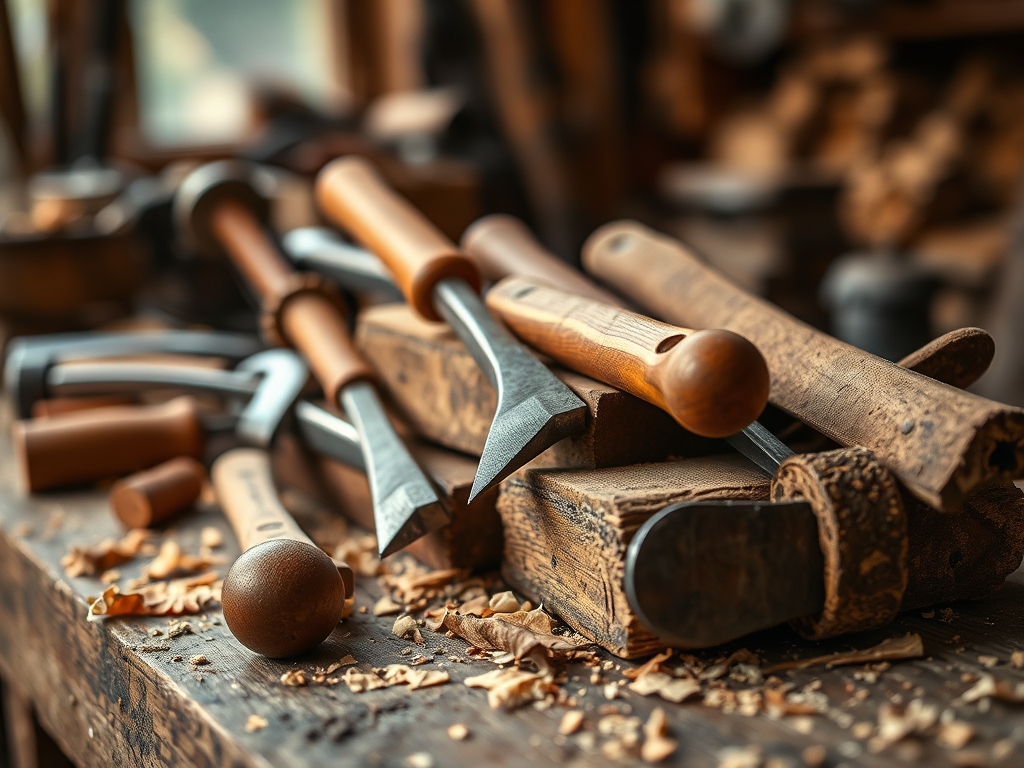
To execute a professional grade seal, you need a kit that addresses both mechanical abrasion and chemical barriers. Start with a high-quality de-greaser or mineral spirits to strip away old, gummy residues. For the physical restoration, you will need silicon carbide sandpaper in varying grits (400 through 1000) and a specialized scuff pad. If you are dealing with deep pitting, a precision scraper or even a jeweler's saw blade can help pick out stubborn carbon deposits from the pores of the metal.
The star of the show is your barrier layer. I recommend a high-grade paste wax (free of silicone, which ruins wood finishes) or a dedicated dry film lubricant. For those in high-humidity zones, look for a lanolin-based spray. If you are out of professional wax, a Material Substitution would be pure white paraffin, though it requires more elbow grease to burnish into the surface. You will also need a calipers to check for table flatness after any heavy sanding to ensure you have not dipped below your required gauge of thickness.
THE TEMPO
The Maker's Rhythm for tool maintenance is a three-tier cadence. First is the Flash Clean, which takes exactly five minutes at the end of every shop session. This involves a quick blow-down with compressed air and a light mist of protective oil. Second is the Monthly Deep-Seal, a sixty-minute ritual where we strip the table back to the raw iron and re-apply our hard wax barriers.
Finally, there is the Restoration Reset. This can take three to five hours depending on the level of oxidation. It is a slow, methodical process of stepping through abrasive grits. You cannot rush the burnishing phase. If you apply wax to a surface that is still off-gassing solvent, the bond will fail. Patience here ensures that your Advanced Shop Maintenance lasts through the changing seasons rather than just the weekend.
THE CORE METHOD
1. The Solvent Strip
We begin by removing every trace of old oil and sawdust. Use a lint-free shop towel soaked in mineral spirits. The goal is to open the micro-pores of the cast iron. Cast iron is not solid like glass; it is a matrix of iron and carbon flakes. If those pores are clogged with old resin, your new protectant cannot "bite" into the surface.
Mastery Tip: This relies on capillary action. By thinning the surface oils, the solvent carries contaminants out of the microscopic valleys of the metal so they can be wiped away rather than smeared.
2. Abrasive Leveling
If you see "freckles" of rust, use a 600-grit wet/dry paper with a splash of lubricant. Move in a circular motion to avoid creating directional "tracks" in the metal. We are looking for a uniform, dull gray luster. Do not use an oscillating tool here unless you have a very steady hand; manual sanding provides better feedback for your tactile senses.
Mastery Tip: We are managing surface roughness (Ra). A smoother surface has less surface area for oxygen molecules to attach to, which inherently slows down the rate of oxidation.
3. The Wax Infusion
Apply a thin, even layer of paste wax using a high-density foam applicator. Let it "haze" for approximately ten minutes. This is where the chemistry happens. The solvent in the wax evaporates, leaving behind a hard, hydrophobic shell.
Mastery Tip: This creates a hydrophobic barrier. By increasing the contact angle of water droplets, you prevent moisture from reaching the reactive iron atoms, effectively "smothering" the potential for rust.
4. The High-Speed Burnish
Take a clean microfiber cloth and buff the surface with significant pressure. You want to generate a small amount of heat through friction. This helps the wax settle into the porous structure of the iron. The result should be a surface so slick that a steel rule will slide across it with a single flick of your finger.
Mastery Tip: The heat from friction lowers the viscosity of the wax temporarily, allowing it to achieve a deeper mechanical bond with the iron matrix before it re-hardens into a protective plate.
THE TECHNICAL LEDGER
Maintenance & Longevity: To keep this seal intact, never leave damp wood sitting on your cast iron overnight. Wood is a sponge that holds moisture against the metal, creating a concentrated corrosion cell. Re-buff the surface every time you notice a "drag" during a cut.
Material Variations:
- Sustainable: Use beeswax mixed with a food-grade mineral oil for a non-toxic, eco-friendly barrier.
- Premium: Apply a ceramic coating designed for machinery. It offers a higher Vickers hardness than wax and lasts up to a year.
- Recycled: Old denim scraps make the best heavy-duty buffing pads for the final burnish.
The Correction:
- The Sticky Table: If your wood is dragging, you used too much wax. Fix: Strip with mineral spirits and re-apply a thinner coat.
- Flash Rust: If rust appears within an hour of cleaning, you didn't dry the solvent completely. Fix: Use a heat gun to ensure the metal is bone-dry before waxing.
- Pitting: If you find deep holes, do not sand them out. Fix: Fill with a metal-fortified epoxy and level it with a precision scraper to maintain table flatlines.
Studio Organization: Store your maintenance chemicals in a dedicated "Lube Station" away from your wood storage. Keep your buffing cloths in an airtight container to prevent them from picking up abrasive sawdust, which would scratch your polished surfaces during the next maintenance cycle.
THE FINAL REVEAL
There is nothing quite like the sight of a perfectly maintained shop. When you pull back the dust cover and see that soft, silver-gray glow reflecting the studio lights, you know your tools are ready for precision work. This isn't just about aesthetics; it is about the structural integrity of your craft. A rust-free table means more accurate measurements, safer cuts, and a much happier maker. You have successfully conquered the chemistry of corrosion! Your cast iron is now armored, slick, and ready to transform raw lumber into a masterpiece.
STUDIO QUESTIONS
How often should I wax my cast iron?
For Advanced Shop Maintenance, apply a fresh coat every 30 days. However, if you live in a coastal area with high salt and humidity, you should perform a quick buffing session every two weeks to maintain the hydrophobic barrier.
Can I use WD-40 to prevent rust?
Standard WD-40 is a solvent, not a long-term protectant. It evaporates quickly, leaving the metal vulnerable. Use a dedicated dry film lubricant or paste wax which provides a thick, physical shell that stays bonded to the metal pores.
What is the best way to remove heavy rust?
Use a chemical rust converter or a soak in white vinegar to break the ionic bond of the iron oxide. Afterward, use a precision scraper and fine-grit abrasives to restore the surface flatlines before immediately sealing the metal.
Will paste wax affect my wood finish?
Only if the wax contains silicone. Silicone is a finisher's nightmare that causes "fish-eyes" in lacquer and oil. Always use a high-quality, silicone-free carnauba or furniture wax to ensure your workpieces remain "finish-ready" after touching the tool.