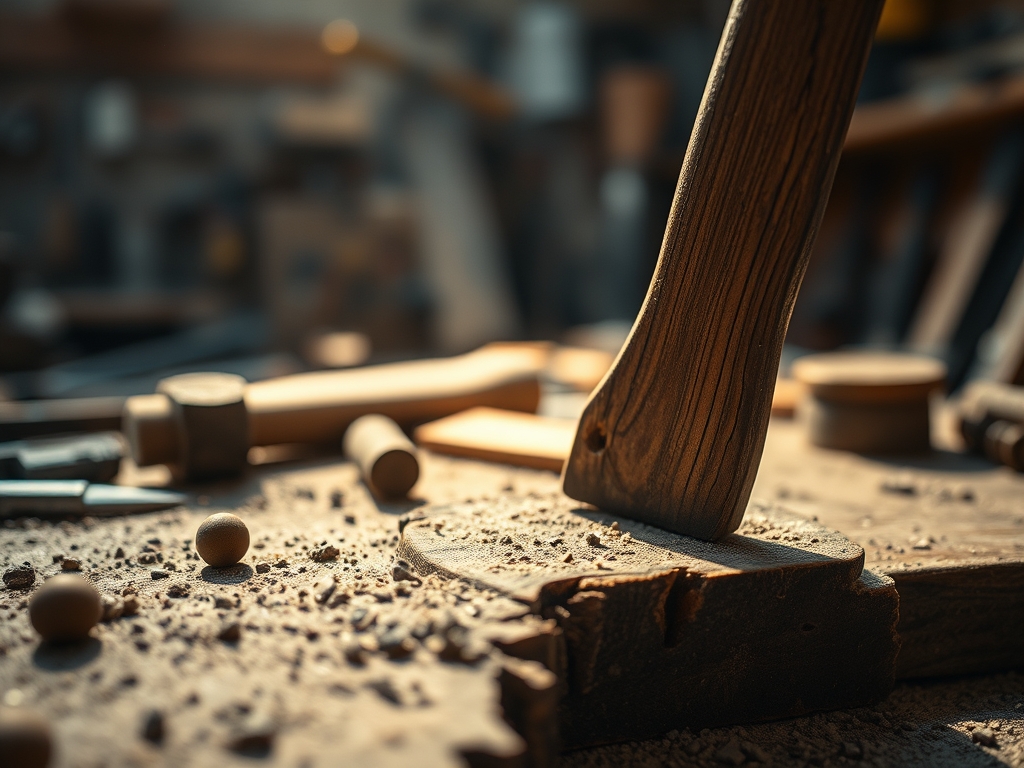
Listen closely because that high pitched whistle you hear is the sound of a perfectly tuned tool meeting the stubborn grain of a premium hardwood. We are diving deep into the tactile world of surface preparation where sandpaper is banned and precision is everything. Mastering the Cabinet Scraper is not just a skill; it is a rite of passage for anyone tired of dusty lungs and muddy wood grain. When you hold that thin sheet of high carbon steel, you are not just holding a tool; you are holding the power to create a surface so reflective it looks wet. Feel the cold, rigid flat of the steel against your palm. It has a specific tensile strength designed to flex without snapping, allowing you to arch the metal into a precise curve. This curve concentrates the cutting force into a microscopic hook. We are moving beyond the grit and into the realm of the shave. Imagine the satisfaction of seeing a translucent ribbon of maple curl off the board instead of a cloud of suffocating dust.
THE STUDIO KIT
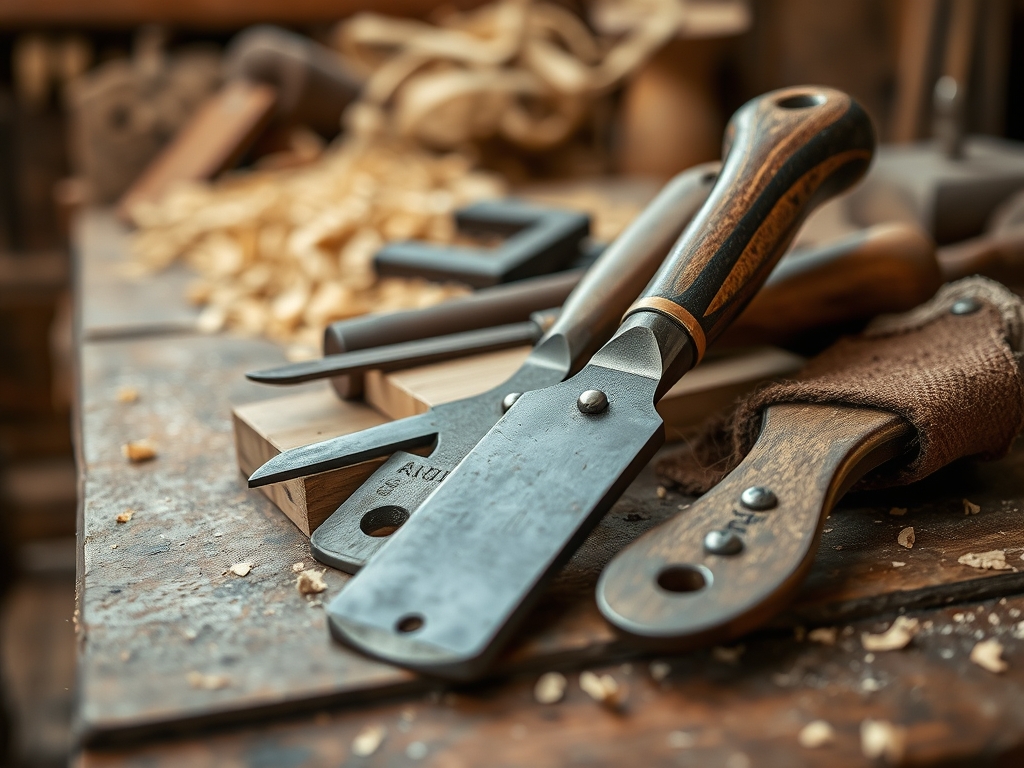
To achieve that flawless finish, your bench needs a specific array of metallurgical wonders. First, you need a rectangular cabinet scraper, typically made of saw steel with a thickness between 0.6mm and 1.0mm. You will also need a burnisher, which is a highly polished, hardened steel or tungsten carbide rod with a Rockwell hardness significantly higher than the scraper itself. This hardness differential is vital; the burnisher must be able to move the molecules of the scraper edge without being marred. You will also require a mill bastard file to square the edges and a fine grit whetstone (at least 1000 and 8000 grit) to polish the faces and edges to a mirror shine.
For material substitutions, if you lack a professional burnisher, the shank of a high quality carbide drill bit or the back of a chrome vanadium chisel can work in a pinch. However, avoid using soft screwdrivers; they will simply scratch and ruin your edge. You will also need a bench vice with wooden jaws to prevent marring the steel, and a few drops of honing oil to reduce friction during the burnishing process. This setup ensures that we are manipulating the molecular structure of the steel rather than just grinding it away.
THE TEMPO
The "Maker's Rhythm" for this project is divided into three distinct movements: The Reset, The Hone, and The Roll. The Reset phase takes approximately five minutes; this is where you use the file to remove the old, tired hook and return the steel to a perfect ninety degree angle. The Hone phase requires about ten minutes of meditative focus, as you work through the grits to remove the file marks. Finally, The Roll is the lightning round, taking only sixty seconds of high intensity pressure to turn the edge.
In total, expect to spend twenty minutes preparing your tool for every hour of heavy scraping. Do not rush the cooling periods. Steel generates friction heat during the burnishing process; if the metal becomes too hot to touch, you risk altering the temper of the steel, making the edge brittle. Respect the tempo, and the tool will respect the wood.
THE CORE METHOD
1. Drawfiling the Edge
Secure the scraper in your vice. Use your mill bastard file to flatten the long edge of the steel. Hold the file perpendicular to the scraper face and pull it toward you in long, steady strokes. You are looking for a perfectly flat, square surface across the entire length. Check your progress with digital calipers to ensure the thickness remains uniform.
Mastery Tip: This step relies on structural integrity. By creating a perfectly flat "land" on the edge, you provide a stable foundation for the hook. If the edge is crowned or dubbed, the resulting hook will be uneven, leading to "chatter" marks on your timber.
2. Honing the Faces and Edges
Take your scraper to the whetstones. Lay the scraper flat on the stone and polish the faces until the mill marks disappear. Then, stand the scraper vertically and polish the edge you just filed. Work up to your highest grit until the steel reflects light like a mirror.
Mastery Tip: This process addresses surface friction. A polished edge reduces the resistance as the tool enters the wood fibers. The smoother the steel, the cleaner the shear, preventing the "tearing" of the cellular structure of the wood.
3. Drawing the Burr
Lay the scraper flat on the edge of your bench. Take your burnisher and, with significant downward pressure, rub it back and forth along the face of the scraper near the edge. This "draws" a microscopic amount of steel outward, creating a tiny flange.
Mastery Tip: You are utilizing ductility. Steel is surprisingly plastic at a microscopic level. By applying pressure, you are physically migrating the metal atoms outward to create the raw material for your cutting hook.
4. Turning the Hook
Hold the scraper vertically in the vice. Hold your burnisher at a slight angle—about five to eight degrees—and stroke it firmly across the edge. This deflects the flange you just drew, curling it over into a razor sharp hook.
Mastery Tip: This is the physics of leveraged displacement. The angle of the burnisher determines the "bite" of the scraper. Too steep an angle and the tool will dig in; too shallow and it will simply burnish the wood without cutting.
THE TECHNICAL LEDGER
Maintenance & Longevity: After every session, wipe your scraper with a rag dampened in camellia oil. High carbon steel is incredibly porous and susceptible to oxidation from the oils on your skin. Storing it dry prevents "pitting," which would ruin a finely honed edge.
Material Variations:
- Sustainable: Reclaim old handsaw blades by cutting them into rectangles with an oscillating tool equipped with a metal blade.
- Premium: Invest in cryogenic steel scrapers which hold a hook up to three times longer than standard carbon steel.
The Correction:
- The Dust Problem: If the tool produces dust instead of shavings, your hook is gone. Fix: Re-burnish at a slightly steeper angle.
- The Chatter: If the scraper "jumps" across the wood, the edge is uneven. Fix: Return to the filing stage to ensure a flat edge.
- The Blue Steel: If you see blue discoloration after burnishing, you used too much speed and friction. Fix: File away the heat-damaged metal and start over.
Studio Organization: Store your scrapers in a dedicated "tool roll" made of heavy canvas or leather. Never let the edges touch other metal tools. A single nick from a dropped jeweler's saw or an awl can necessitate a full twenty-minute regrind.
THE FINAL REVEAL
Look at that surface! When you master the cabinet scraper, the wood takes on a three dimensional depth that sandpaper simply cannot achieve. Because you are slicing the fibers rather than abrading them, the light reflects off the natural lignin of the wood. The surface feels silky, almost like polished stone, and the grain "pops" with a clarity that is breathtaking. You have successfully navigated the physics of metallurgy to conquer the unpredictability of nature. This is the gold standard of craftsmanship; you aren't just finishing a project, you are elevating the material to its highest possible state.
STUDIO QUESTIONS
How do I know if my burnisher is hard enough?
If your scraper leaves a scratch on your burnisher, the burnisher is too soft. A proper burnisher must be harder than the scraper steel to effectively displace the metal atoms and create a functional, lasting hook.
Why are my shavings coming out uneven?
Uneven shavings usually indicate that the scraper edge was not filed perfectly square or the burnishing pressure was inconsistent. Ensure you use a bench vice to keep the tool stationary while applying steady, rhythmic pressure during the hook-turning phase.
Can I use a cabinet scraper on softwoods like pine?
Yes, but it requires a much finer hook. Softwoods have lower tensile strength between fibers, so a heavy hook will tear the wood. Use a lighter touch and a shallower burnishing angle for a cleaner cut on porous species.
How often should I "roll" the hook?
You can usually refresh the hook two or three times with the burnisher before you need to return to the stones. Once the shavings turn to fine dust despite re-burnishing, it is time for a full reset with the file.