Imagine the smell of fresh cedar and the sharp, clinical scent of resin hitting your nostrils at six in the morning. There is something absolutely electric about the moment a rigid plank of ash transforms into a supple ribbon of potential. We are diving deep into the world of Professional Wood Bending today. It is not just about force; it is about a delicate dance between moisture, heat, and cellular memory. When you run your fingers over a piece of timber, you are feeling the lignin, which is the natural glue holding those cellulose fibers together. To bend wood is to temporarily convince that glue to let go. It is tactile, it is sweaty, and it is pure physics. You can feel the tension building in the grain as the wood resists, right up until the moment it yields to the form. Mastering this process feels like gaining a superpower. You are no longer limited by the straight lines of the sawmill. Instead, you are working with the organic flow of the tree itself, creating curves that look like they grew that way on purpose.
THE STUDIO KIT
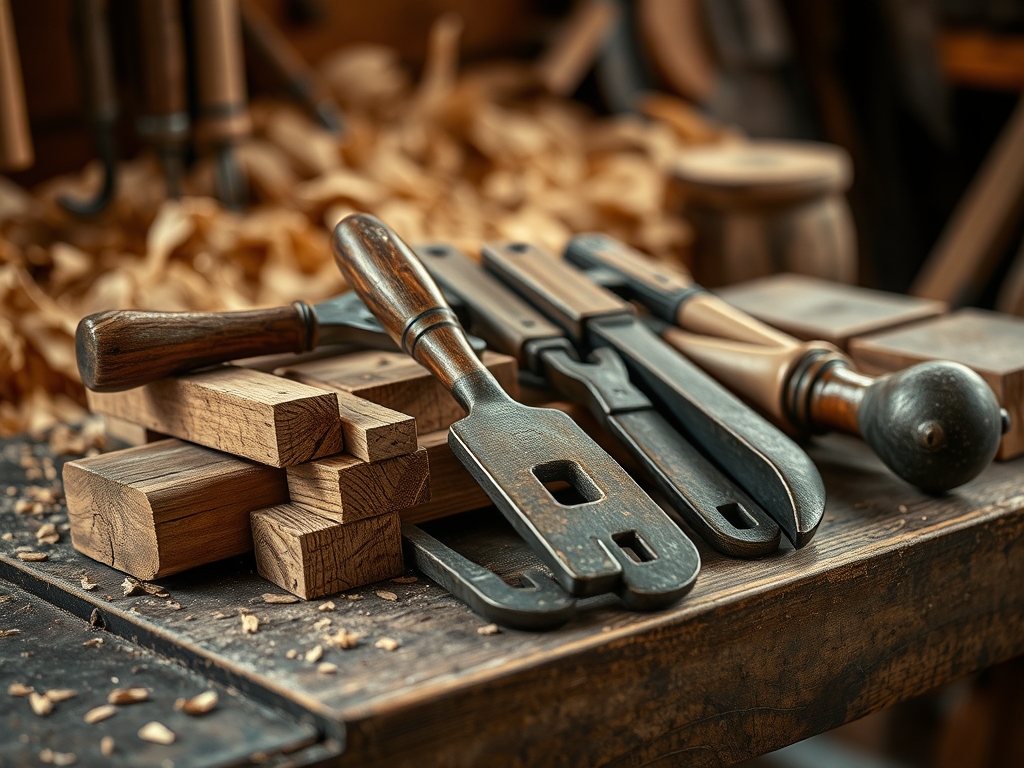
To get these results, your workbench needs to look like a cross between a laboratory and a high end woodshop. First, you need a steam box capable of maintaining a constant internal temperature of 212 degrees Fahrenheit. This is non negotiable because we need to saturate the wood cells without drowning them. You will also need stainless steel compression straps. These are the unsung heroes of the process; they prevent the outer fibers of your wood from stretching and snapping by keeping the entire piece under compression.
For the fine details, keep your digital calipers close to measure the thickness of your lamination plys. If your plys are off by even a fraction of a millimeter, your glue lines will be visible and ugly. You will also need a high quality oscillating tool for trimming the excess after the form has set, and a bone folder for burnishing the edges of thinner veneers.
If you cannot find premium white oak or ash, which have excellent longitudinal grain integrity, you can look into Material Substitutions. High density plywood can work for the internal form work, but for the actual bending, avoid kiln dried lumber if possible. Air dried wood retains more of its natural elasticity. If you are stuck with kiln dried stock, you will need a longer soak time to rehydrate those parched cells.
THE TEMPO
The "Maker's Rhythm" is all about timing. You cannot rush the physics of thermal softening. Your first phase is the saturation period, which usually takes about one hour per inch of thickness. This is the slow, meditative part of the day where you prep your clamps and check your forms.
Once that wood comes out of the steam, the tempo shifts to high gear. You have a "working window" of about sixty to ninety seconds before the lignin begins to re-harden. This is a frantic, high energy burst of activity where every movement must be precise. After the piece is clamped into the form, the tempo slows down again. The wood must stay in the form for at least twenty four hours to shed moisture and "set" its new shape. If you unclamp too early, you will experience springback, which is the wood's stubborn attempt to return to its original straight line.
THE CORE METHOD
1. Preparing the Form
Your form is the negative space of your final design. It needs to be robust enough to handle hundreds of pounds of pressure without flexing. We use a heavy duty MDF or Baltic birch ply for the mold. Always over-bend your form by about five to ten percent.
Mastery Tip: This accounts for elastic recovery. Even the best bent wood will relax slightly when released. By over-calculating the curve, the final resting state of the wood will be exactly where you intended it to be.
2. The Steaming Cycle
Place your timber into the steam box. Ensure it is supported so steam can circulate around all four sides. We are looking for the saturation point where the moisture has fully penetrated the core of the wood.
Mastery Tip: The science here is hydrothermal softening. Heat and moisture work together to weaken the hydrogen bonds between the lignin and cellulose. If you skip the steam and just use heat, the wood will become brittle and scorch.
3. The Compression Bend
This is the main event. Pull the wood from the box, secure the compression strap to the ends, and pull it around your form in one smooth, continuous motion. Use your body weight and mechanical advantage.
Mastery Tip: The strap creates a neutral axis shift. By preventing the outside of the curve from stretching, you force the wood fibers on the inside to compress. Wood is much stronger in compression than it is in tension, which prevents the grain from splintering.
4. Lamination and Curing
If you are doing bent lamination rather than steam bending, you will apply a urea-formaldehyde glue between thin plys. These glues have a long open time and dry very hard, which minimizes creep.
Mastery Tip: This relies on surface tension and capillary action. The glue must be spread thin enough to avoid "floating" the plys, but thick enough to penetrate the porous surface of the wood. This creates a chemical and mechanical bond that is often stronger than the wood itself.
THE TECHNICAL LEDGER
Maintenance & Longevity: To keep your bent pieces from warping over time, they must be sealed immediately. Use a penetrating oil or a high solids varnish to lock the moisture content at a stable level. This prevents the wood from reacting to changes in atmospheric humidity.
Material Variations:
- Premium: Straight grained air dried White Oak or Hickory.
- Sustainable: Bamboo veneers are incredible for lamination due to their high tensile strength.
- Recycled: Old growth reclaimed heart pine can be bent, but watch out for old nail holes which act as stress points.
The Correction:
- Splintering on the outer face: Your compression strap was too loose. Fix it by sanding back and using a wood filler mixed with sawdust, but for structural pieces, you must restart.
- Kinking: This happens when the wood is too thin for the curve. Use a thicker gauge or a more gradual form.
- Glue failure: Usually caused by "starving" the joint. Ensure you have even "squeeze out" along the entire length of the lamination.
Studio Organization: Store your forms vertically on heavy duty racking. Never leave a finished bend on a concrete floor; the hydroscopic nature of wood means it will suck moisture out of the concrete and ruin your curve.
THE FINAL REVEAL
Look at that curve! When you pull a perfectly bent piece of timber out of the clamps, it feels like magic. The grain follows the contour of the shape perfectly, creating a visual flow that a carved piece simply cannot match. The surface is smooth, the structural integrity is rock solid, and the aesthetic is purely organic. It is the ultimate marriage of engineering and art. You have taken a rigid, stubborn material and convinced it to become something graceful. Now, go give it a final sand with 220 grit and watch that grain pop!
STUDIO QUESTIONS
What is the best wood for professional wood bending?
White Oak and Ash are the gold standards. They have a unique cellular structure that allows for extreme compression without collapsing. Always look for straight grain with minimal knots to ensure the tensile strength remains consistent throughout the bend.
How do I prevent the wood from springing back?
You must over-bend your form by roughly five to ten percent. Additionally, leave the wood in the clamps until the moisture content has dropped below ten percent. This ensures the lignin has fully reset in its new orientation.
Can I bend wood that has already been finished?
No, finishes like lacquer or wax act as a moisture barrier. They will prevent steam from penetrating the fibers and will likely melt or discolor under high heat. Always bend raw timber and apply your finish after the wood has cured.
What glue is best for bent lamination?
Use a plastic resin or urea-formaldehyde glue. These glues dry extremely rigid, which is vital for holding the curve. Standard PVA glues are too flexible and can lead to structural creep over time as the wood tries to straighten.