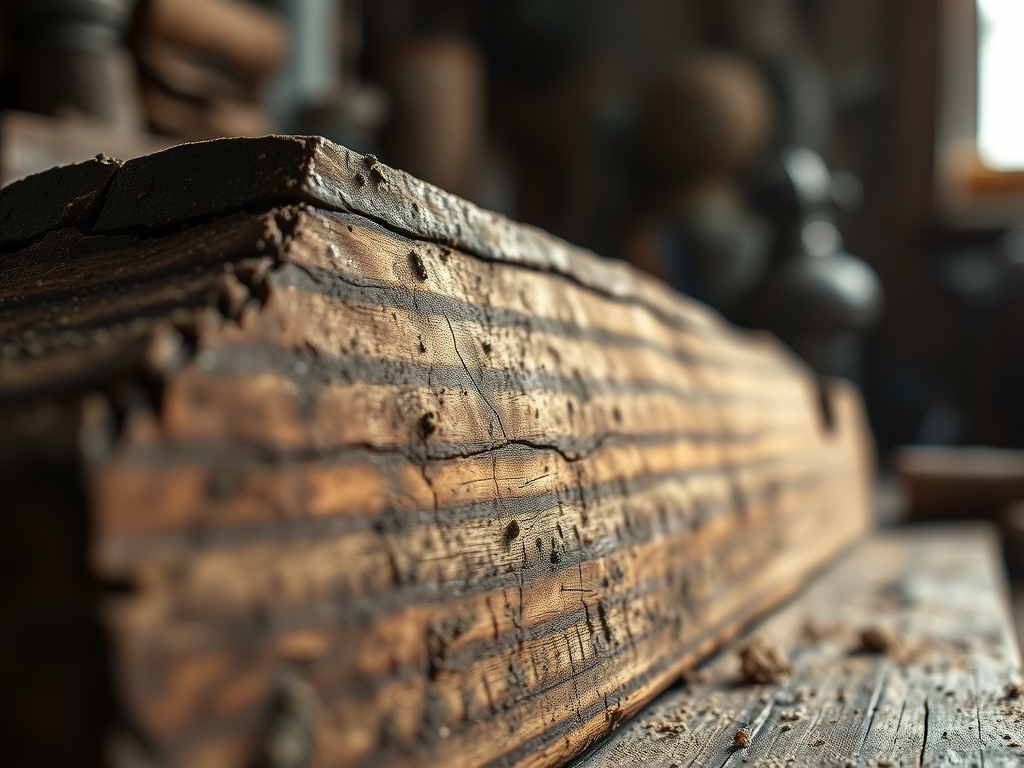
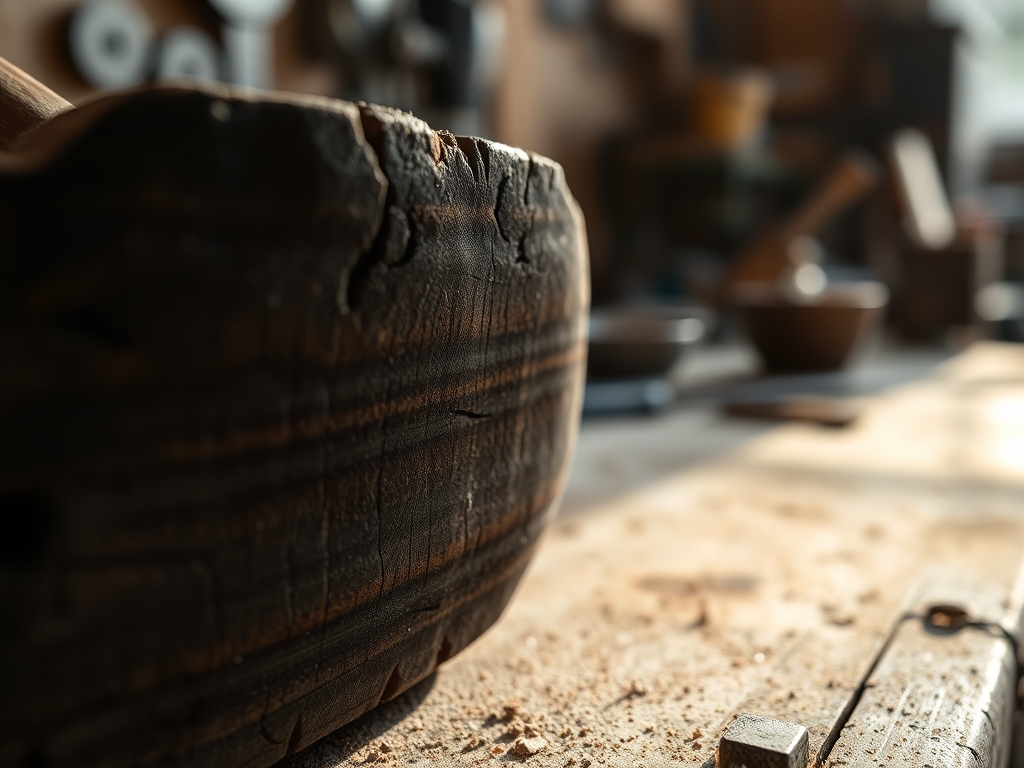
Grab your safety goggles and clear the workbench because we are about to break the laws of physics in the most satisfying way possible. There is a specific, electric thrill that happens when you take a rigid, stubborn plank of white oak and force it to behave like ribbon. We are diving deep into the art of Steam Bending Wood; a process where heat and moisture conspire to turn lignocellulose into putty. It is not just about force. It is about chemistry. When you feel the wood fibers begin to yield under your palms, you realize you are not just a maker; you are a molecular negotiator.
The tactile feedback of raw timber changes the moment it hits the steam box. You can smell the tannins releasing, a sharp, earthy scent that signals the hemicellulose is softening. If you have ever tried to force a curve and heard that sickening crack, you know the stakes. We are aiming for a perfect, fluid arc without a single splintered grain. This requires a deep understanding of the tensile strength of your specific species. Wood is essentially a bundle of straws held together by a natural glue called lignin. Our mission is to melt that glue just enough to slide those straws past one another without snapping the outer fibers.
THE STUDIO KIT

To master this, your arsenal needs more than just a hammer. You need precision instruments. First, the steam generator. This is the heart of the operation, pumping saturated vapor into a sealed chamber. You will need a digital thermometer to ensure the internal temperature hits a consistent 212 degrees Fahrenheit. Without that thermal threshold, the lignin remains rigid.
Next, grab your steel compression straps. These are non-negotiable. When you bend wood, the outside of the curve wants to stretch (tension) while the inside wants to crush (compression). Wood is terrible at stretching but great at crushing. The steel strap takes the tension load, forcing the wood to compress into itself. You will also need heavy-duty C-clamps, a moisture meter to check your stock (aim for 15 to 20 percent for best results), and an oscillating tool for cleaning up the jig surfaces.
Material Substitutions: If you cannot source premium air-dried white oak, look for ash or hickory. Avoid kiln-dried lumber if possible. The kiln-drying process permanently sets the lignin, making it brittle. If you must use kiln-dried wood, you will need to soak it for 24 hours prior to steaming to rehydrate the porous cellular structure.
THE TEMPO
The "Maker's Rhythm" in steam bending is a high-stakes dance against the clock. You have a very narrow window of "plasticity" once the wood leaves the box. Generally, the rule of thumb is one hour of steaming per inch of thickness. However, the real tempo starts the second the door opens. You have approximately sixty seconds to get that wood out, onto the jig, and clamped down before the temperature drops and the fibers lock back into place.
This is not a project for the distracted. You need to prep your jig, check your clamp alignment with calipers, and rehearse the movement. The cooling phase is the slow movement of the symphony. The wood must stay in the form for at least 24 hours to "set" its new memory. If you rush the release, the springback effect will ruin your geometry. Patience is your most valuable tool here.
THE CORE METHOD
1. Selecting the Grain Orientation
Before you even touch a saw, inspect the end grain. You want straight, longitudinal grain that runs the full length of your piece. Any "run-out" (where the grain exits the side of the board) creates a weak point where the wood will surely fracture under pressure. Use an awl to trace the fiber direction if the sanding has obscured it.
Mastery Tip: This is about structural integrity. When grain is continuous, the load is distributed evenly across the cellulose chains. Run-out creates a "stress riser" where the tensile forces concentrate, leading to catastrophic failure.
2. The Saturation Phase
Place your timber in the steam box, ensuring it is elevated on dowels so the steam can circulate 360 degrees. If the wood touches the bottom, you get uneven heating. Seal the box but leave a small vent; you want flow, not a pressure explosion.
Mastery Tip: We are utilizing capillary action. The steam penetrates the wood's pores, hydrating the cell walls and using heat to vibrate the lignin molecules into a semi-liquid state. This is the "glass transition temperature" of the wood's natural polymers.
3. The Compression Bend
Once the timer hits, move fast. Secure one end of the wood and the steel strap to your jig. Pull the other end around the form in one smooth, continuous motion. Do not stop halfway; the friction will build and the wood will cool, making the second half of the bend significantly harder.
Mastery Tip: By using the steel strap, you shift the neutral axis of the bend to the very outer edge of the wood. This means nearly 100 percent of the wood is in compression, which it can handle, rather than tension, which it cannot.
4. Setting the Memory
Clamp the piece firmly every six inches. Use a bone folder or a smooth block to check for gaps between the wood and the template. Let it sit in a low-humidity environment. As the moisture leaves, the lignin re-hardens, locking the fibers into their new, curved orientation.
Mastery Tip: This is a phase change. You are essentially "re-freezing" the natural resins. If the wood dries too quickly, it can develop surface checks or internal honeycombing due to rapid cellular contraction.
THE TECHNICAL LEDGER
Maintenance & Longevity: Once your piece is dry, it is vital to seal it. Steam-bent wood is more susceptible to atmospheric moisture than flat-sawn timber. Use a high-quality oil or wax to burnish the surface and lock out humidity, which prevents the piece from "creeping" or losing its shape over time.
Material Variations:
- Sustainable: Use locally sourced air-dried elm; it has incredible interlocking grain.
- Premium: Black Walnut offers a stunning aesthetic but requires slower, more careful heating to avoid "bleeding" its rich colors.
The Correction:
- Splintering on the outside: Your strap was too loose. Fix: Use a jeweler's saw to clean the break, glue a sliver of matching wood, and re-sand.
- Kinking on the inside: The wood was too thick or the radius too tight. Fix: Thin the stock with a rotary cutter or plane before re-steaming.
- Springback: The wood was removed too early. Fix: You must re-steam the piece to "reset" the fibers and try again.
Studio Organization: Store your bending jigs in a vertical rack to prevent warping. Keep your steam box tilted slightly so condensed water drains out, preventing mold growth and wood rot between sessions.
THE FINAL REVEAL
There is nothing quite like the moment you unclamp a piece of timber and it holds its curve like a piece of sculpted marble. The once-rigid oak now flows in a graceful, ergonomic sweep that defies its original growth pattern. When you run your hand along the surface, the grain follows the bend perfectly, creating a visual rhythm that is impossible to achieve with standard joinery. It feels lighter, more organic, and infinitely more sophisticated. You have successfully navigated the physics of the forest.
STUDIO QUESTIONS
Why did my wood snap even with a strap?
Your timber likely had "grain run-out." If the fibers do not run parallel to the board's length, they cannot slide. The tension forces the grain to separate at the exit point. Always select straight-grained, air-dried stock for complex curves.
Can I steam bend plywood?
Generally, no. The waterproof glues used in plywood are designed to resist heat and moisture. Steaming will often cause delamination where the layers peel apart. For curves in ply, use "bendy-ply" or the kerf-cutting method instead.
How long does the wood stay flexible?
You have a "working window" of about sixty to ninety seconds. Once the surface temperature drops below 180 degrees Fahrenheit, the lignin begins to re-set. Work in a warm studio to extend your manipulation time slightly.
Is air-dried wood better than kiln-dried?
Yes. Kiln-drying uses high heat to rapidly dry wood, which "sets" the lignin permanently. Air-dried wood retains its natural cellular elasticity, making it significantly more compliant during the steaming process and reducing the risk of fiber failure.