Close your eyes and run your fingertips across that raw, thirsty grain; it is a landscape of microscopic valleys waiting for a transformation. You are not just slapping on some hardware store sludge today because we are diving deep into the science of Advanced Wood Finishing to elevate your craft from hobbyist to high-end artisan. When you touch a piece of unfinished white oak or walnut, you are feeling the open cellular structure of the xylem. These tiny straw-like vessels are ready to pull pigments deep into the heartwood through capillary action. If you do not control that thirst, your project will end up with blotchy, uneven patches that scream amateur hour. We are going to manipulate the molecular bond between the carrier solvent and the lignin in the wood fibers. It is about more than just color; it is about refractive index and how light bounces off those fibers once they are saturated. We are chasing that deep, three-dimensional glow that makes a piece look like it was pulled from a luxury showroom. Grab your apron and tie your hair back because we are about to turn your studio into a high-stakes chemistry lab where the only rule is precision.
THE STUDIO KIT
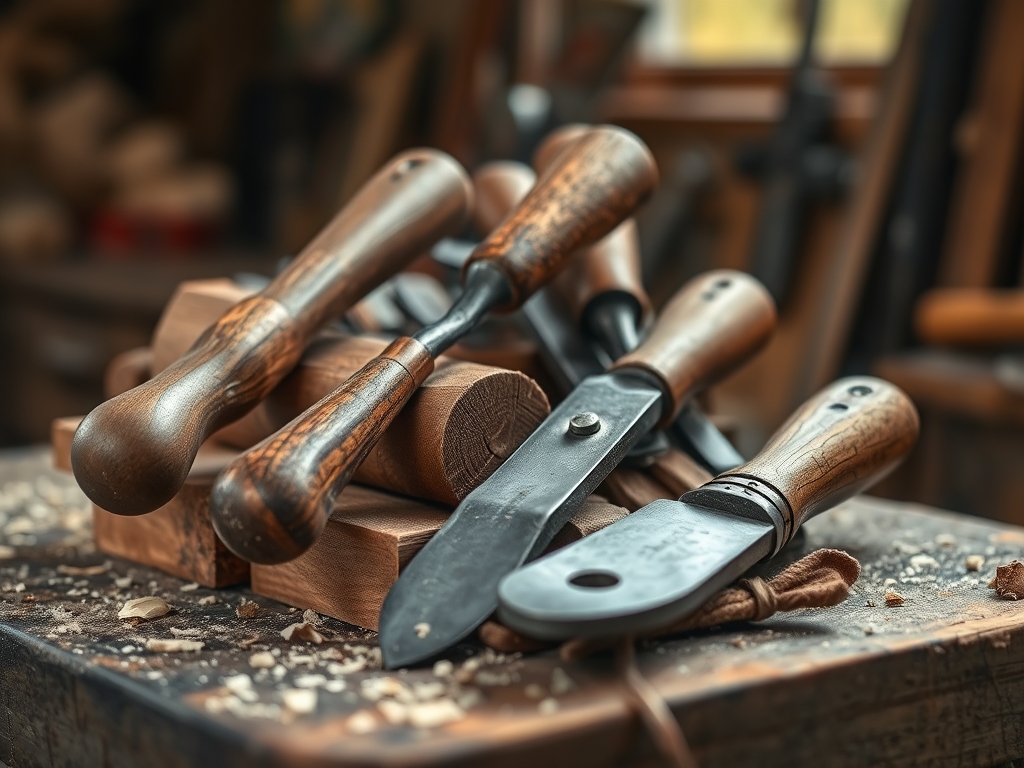
To master this process, you need a kit that respects the porosity and tensile strength of your timber. Forget those foam brushes that fall apart after five minutes. You need professional-grade lint-free cotton wiping cloths and a set of high-quality natural bristle brushes that can hold a significant volume of liquid without dripping. Your primary chemicals will include oil-based penetrating stains, universal tinting colors (UTCs), and a variety of solvents like mineral spirits or naphtha for thinning. Naphtha is a secret weapon for the impatient maker because its high volatility means it evaporates faster than standard spirits, allowing for quicker layering.
You will also need a digital gram scale for precise measurements. When we mix custom stains, we do not use "glugs" or "splashes." We measure by weight to ensure that if you run out of a batch mid-project, you can replicate the exact chemical ratio. For prep work, keep a set of calipers handy to check the thickness of your veneers; you do not want to sand through a thin ply while prepping the surface. If you need to reach into tight corners or decorative carvings, a small jeweler's saw or a fine awl can help clear out compacted sanding dust that would otherwise block stain absorption.
Material Substitutions: If you cannot find professional UTCs, you can experiment with high-pigment artist oil paints, though they require longer drying times. For a more sustainable approach, look into water-borne aniline dyes. These offer incredible clarity and depth without the heavy VOCs, though they do raise the grain of the wood, requiring an extra "whiskerpole" sanding step to knock down the swollen fibers.
THE TEMPO
The "Maker's Rhythm" is all about respecting the evaporation rate of your solvents. You cannot rush chemistry. The initial preparation phase, which involves progressive sanding and grain cleaning, will take roughly two hours for a medium-sized tabletop. The actual mixing and color testing phase is the "creative peak" and can take anywhere from one to three hours depending on how picky you are about the hue.
Once the stain is applied, the dwell time is critical. This is the window where the pigments settle into the pores before the binders start to set. Usually, this is a ten to twenty minute window. Following application, you must allow for a full twenty-four hour outgassing period. Even if the surface feels dry to the touch, the solvents are still migrating out of the wood cells. If you seal the piece too early, you risk "blushing," where trapped moisture or gas creates a cloudy haze under your topcoat. Respect the clock, and the clock will respect your finish.
THE CORE METHOD
1. Surface Calibration and Pore Opening
Before a single drop of pigment touches the wood, you must ensure the surface is chemically and physically receptive. Start by sanding through the grits, ending at 180 or 220. If you sand too fine, like 400 or 600, you will actually burnish the wood fibers, effectively sealing the pores shut and preventing stain penetration. Use an oscillating tool with a vacuum attachment to pull every microscopic particle out of the grain.
Mastery Tip: Use the science of surface tension to your advantage. Wipe the wood with a damp cloth (water-popping) before staining. As the water evaporates, it stands the wood fibers upright, increasing the surface area and allowing the stain to penetrate deeper and more evenly.
2. The Base Layer Hybridization
Start with a clear mixing base or a "pre-stain conditioner." In your mixing cup, slowly add your primary pigment. Use your digital scale to record the weight of each addition. Stir with a slow, deliberate motion to avoid introducing air bubbles, which can cause "fisheyes" in the final finish. Aim for a consistency that flows easily but maintains a high pigment load.
Mastery Tip: Understand capillary action. If your stain is too thin, it will run uncontrollably along the grain lines (wicking). By balancing your solvent-to-binder ratio, you ensure the pigment stays exactly where you wipe it, resulting in a crisp, professional look.
3. Tonal Layering and Wiping
Apply the stain in long, even strokes following the grain direction. Never go against the grain, as this can force pigment into tiny sanding scratches that you missed, highlighting flaws rather than beauty. After the designated dwell time, use a clean cloth to wipe away the excess. Use a firm, ergonomic grip to ensure you are removing all surface-level pigment, leaving only what has been absorbed into the cells.
Mastery Tip: This is where refractive index comes into play. By layering a thin, transparent dye over a pigmented stain, you create a "light trap." Light travels through the clear layer, hits the pigment, and bounces back, creating that coveted inner glow seen in museum-quality furniture.
THE TECHNICAL LEDGER
Maintenance & Longevity: A custom-stained piece is a living thing. To prevent UV degradation and pigment fading, always finish with a topcoat containing UV inhibitors. For high-traffic areas, a polyurethane with a high solids content provides the best tensile strength against scratches and impact.
Material Variations:
- Sustainable: Use soy-based stains or natural earth pigments like ochre and umber.
- Premium: Incorporate "trans-oxide" pigments which are ground so fine they are virtually transparent, offering unmatched clarity.
- Recycled: You can create "ebonizing" fluid by dissolving steel wool in white vinegar, which reacts with the tannins in the wood to create a deep, permanent black.
The Correction:
- Blotching: If the wood absorbs stain unevenly, the fix is a "washcoat" of de-waxed shellac before staining to equalize the porosity.
- Streak Marks: These happen when the stain dries too fast. Re-wet the area with a cloth dampened in mineral spirits to re-liquefy the binders and blend the lines.
- Pigment Bleed: If color seeps out of the pores after wiping, your studio is likely too cold. Increase the temperature to help the binders "lock" the pigment in place.
Studio Organization: Store your custom blends in airtight glass jars, never plastic, as solvents can leach chemicals from the container. Label every jar with the exact weight ratios and the date. Store them in a cool, dark cabinet to prevent thermal expansion from popping the lids.
THE FINAL REVEAL
Look at that! The way the light catches the chatoyancy of the grain is absolutely breathtaking. You have successfully navigated the complex world of Advanced Wood Finishing, turning a simple piece of lumber into a masterpiece of chemical engineering and artistic vision. The color is rich, the depth is unparalleled, and the finish feels like silk under your palm. You did not just paint a surface; you transformed the very fiber of the material. This piece is now ready to anchor a room and spark conversations for decades. You should be incredibly proud of the precision and patience you poured into this project.
STUDIO QUESTIONS
Why does my stain look muddy instead of clear?
Muddy finishes usually result from over-applying pigmented stains without wiping enough excess. The pigments sit on top of the wood rather than inside the pores. Switch to a dye-based stain for better transparency and clarity in the wood grain.
Can I mix oil-based and water-based products?
Never mix them directly in the same container. However, you can layer them if you use a "barrier coat" of de-waxed shellac in between. This prevents the different chemical bases from reacting and causing the finish to peel or bubble.
What is the best way to test a custom color?
Always test on a scrap piece of the exact same wood species used in your project. Sand the scrap to the same grit and apply the full finishing schedule, including the topcoat, as the clear coat will significantly darken the final color.
How do I prevent the wood grain from rising?
When using water-based stains, pre-wet the wood with distilled water, let it dry, and then lightly sand off the "whiskers" with 220-grit paper. This ensures that the actual staining process does not roughen the surface again during application.