
Imagine the smell of fresh wood shavings mingling with the sharp, metallic tang of a newly honed chisel. There is a specific, tactile thrill when you slide a piece of timber into its housing and feel that airtight "whoosh" of displaced oxygen. Achieving that legendary piston fit is the ultimate test of a maker's skill. We are diving deep into Advanced Tenon Cutting today because your project deserves a shoulder that fits perfectly without a single gap in sight. When the grain direction of the rail meets the vertical fibers of the stile, the structural integrity depends entirely on your precision. If your shoulders are even a fraction of a degree out of square, the entire frame will rack under the pressure of the clamps. We are not just making a joint; we are engineering a mechanical bond that defies seasonal movement. Grab your safety glasses and a cold brew. We are about to turn raw lumber into a masterpiece of joinery that feels as smooth as glass and as strong as steel.
THE STUDIO KIT
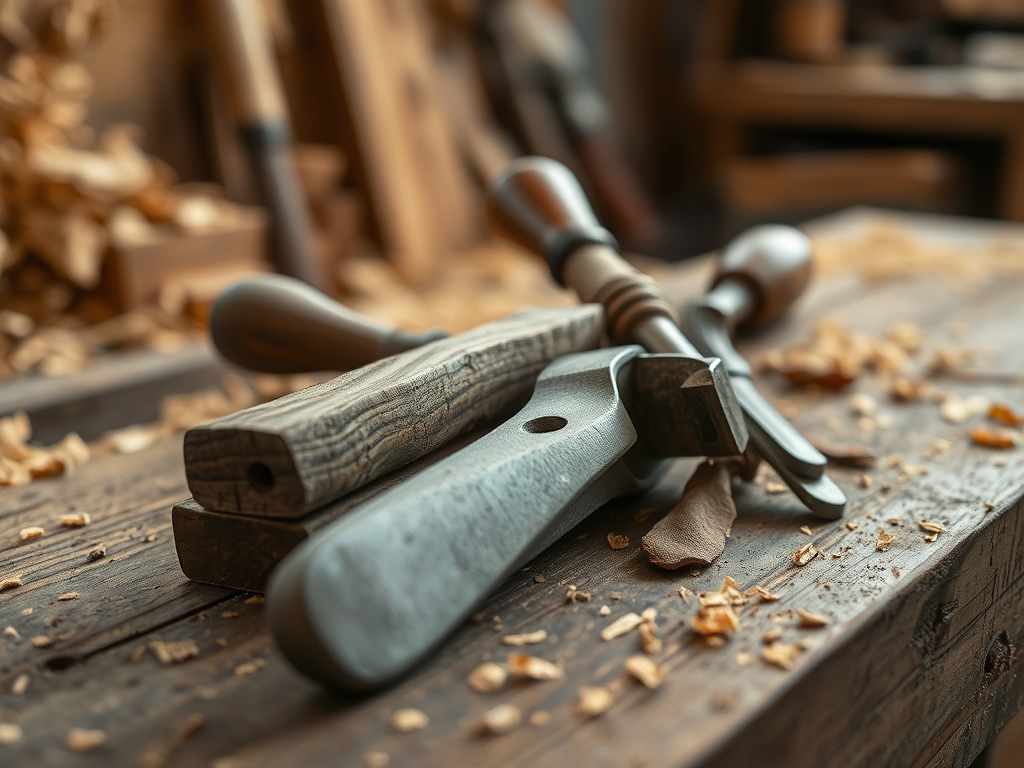
To master Advanced Tenon Cutting, your toolkit must be calibrated to the highest degree of accuracy. You will need a marking gauge with a hardened steel wheel to slice through the lignified cells of the wood, rather than a pencil that leaves a blurry, imprecise line. A set of digital calipers is non-negotiable for measuring the exact width of your mortise to within a thousandth of an inch. For the actual removal of material, a tenon saw with a high TPI (teeth per inch) count ensures a clean kerf. You will also need a shoulder plane; its blade is flush with the sides of the tool, allowing you to trim the end grain of the shoulder with surgical precision.
In terms of materials, we are looking for timber with a high tensile strength and stable moisture content. Hardwoods like White Oak or Black Walnut are ideal because their dense cellular structure resists crushing during the assembly phase. If you are practicing, you can substitute these for high-density plywood or even reclaimed Douglas Fir, though be aware that the high resin content in fir can gum up your saw teeth. Always have a burnishing tool and some fine-grit abrasive paper on hand to finish the surfaces. The goal is to create a surface so flat that capillary action helps draw the wood glue deep into the pores for a permanent bond.
THE TEMPO
The "Maker's Rhythm" is all about respecting the material. You cannot rush the physics of wood. For a standard project with four to eight joints, expect the Preparation Phase to take about sixty minutes. This involves truing your stock and marking your layout lines. The Cutting Phase is where the intensity peaks; allow two hours for focused, meditative sawing and chiseling. Finally, the Refining Phase takes another hour. This is where you use your shoulder plane to "whisker" off shavings thinner than a human hair.
Working in this tempo prevents fatigue and keeps your cuts square. When you find your flow, the sound of the saw changes from a raspy growl to a rhythmic, melodic hum. This cadence is essential because it ensures your heart rate stays steady, which in turn keeps your hand movements fluid and precise. If you feel yourself tensing up, step away. A single erratic stroke can ruin the structural integrity of the shoulder, leading to a joint that "smiles" or gaps once the clamps are applied.
THE CORE METHOD
1. The Precision Layout
Start by using your marking gauge to define the length and thickness of the tenon. Always reference from the "face side" and "face edge" of your board to maintain consistency. By severing the wood fibers with a blade rather than a pencil, you create a physical "track" for your saw to follow. This prevents the blade from wandering along the grain lines.
Mastery Tip: The science of shear strength dictates that the tenon should generally be one-third the thickness of the total workpiece. This ratio balances the strength of the tenon against the wall thickness of the mortise to prevent splitting.
2. Establishing the Shoulders
Use a crosscut saw to define the shoulders first. Cut just on the waste side of your scored line. If you leave a tiny bit of extra material, you can use a chisel to "pare" back to the line. This creates a crisp, 90-degree corner that will seat perfectly against the face of the mating piece.
Mastery Tip: Utilize the "V-groove" technique by taking a chisel and carving a tiny notch on the waste side of your line. This creates a physical pocket for your saw to sit in, ensuring your cut starts with zero deviation.
3. Removing the Cheeks
Switch to your tenon saw or an oscillating tool with a fine-tooth attachment to remove the "cheeks" of the tenon. Aim to stay about a millimeter away from your gauge lines. It is far easier to remove wood than to add it back. Observe the grain direction; if the grain is "run-out," the wood may want to split inward toward your finished surface.
Mastery Tip: Understanding grain orientation is vital here. If you cut with the grain, you are performing a "rip cut." This requires a different tooth geometry on your saw to prevent the blade from overheating and losing its tension.
4. The Final Paring
This is where the magic happens. Use your shoulder plane or a wide, sharp chisel to shave the tenon down to its final dimensions. Test the fit frequently. The joint should slide together with firm hand pressure but should not require a mallet. If you have to hammer it, the joint is too tight and will starve the bond of glue.
Mastery Tip: This step relies on surface tension. A perfectly smooth, planed surface allows the adhesive to spread evenly in a thin film, maximizing the surface area contact between the cellulose fibers.
THE TECHNICAL LEDGER
Maintenance & Longevity: Keep your steel tools lightly oiled with camellia oil to prevent oxidation. A dull tool is a dangerous tool; sharpen your chisels frequently using water stones up to 8000 grit to maintain a "mirror" edge that slices through lignin effortlessly.
Material Variations: For a sustainable approach, use FSC-certified timber or thermally modified wood, which has increased dimensional stability. If you are working with premium exotic woods like Ipe, be aware of their high silica content, which will dull your blades faster than domestic hardwoods.
The Correction:
- The Loose Tenon: If you cut too much, glue a thin "veneer" of the same species back onto the cheek, then re-plane.
- The Out-of-Square Shoulder: Use a marking awl to find the high spot and use a shoulder plane to take a tapered shaving.
- The Bottomed-Out Tenon: If the tenon is too long for the mortise, the shoulders won't close. Trim 1/8 inch off the end of the tenon to allow for glue pockets.
Studio Organization: Store your workpieces flat and weighted down to prevent warping. Wood is a hygroscopic material, meaning it absorbs and releases moisture from the air. Keeping your project in a climate-controlled area ensures your precision joints don't expand or contract before assembly.
THE FINAL REVEAL
Step back and look at that joint. When you pull the clamps away and see a seamless transition where two pieces of wood become one, it is a visceral victory. There is no wobble, no light passing through the seam, and no need for wood filler to hide mistakes. The ergonomic feel of a perfectly joined shoulder is unmistakable; it feels solid, intentional, and permanent. You have successfully navigated the complex physics of cellular compression and mechanical friction. This isn't just carpentry; it is high-level engineering disguised as art. Your project now possesses the structural backbone to last for generations.
STUDIO QUESTIONS
How do I know if my tenon is too tight?
If you cannot seat the joint with moderate palm pressure, it is too tight. Forcing a fit can cause the mortise to split due to internal hoop stress within the wood fibers. Always aim for a "sliding fit."
What tool is best for cleaning up the internal corners?
A sharp swan-neck chisel or a specialized corner chisel is ideal. These tools allow you to reach into the tight 90-degree intersection of the shoulder and the cheek to remove any lingering "fuzz" or debris.
Can I use a router for Advanced Tenon Cutting?
Yes, using a router table with a straight-cut bit provides excellent repeatability. However, you must still use a shoulder plane for the final fit to account for the minute variations in wood thickness and seasonal expansion.
Why does my shoulder have a gap on one side?
This usually happens if your initial layout lines were not perfectly square or if your saw drifted. Check your workpiece with a try square to identify the high point and pare it down carefully.