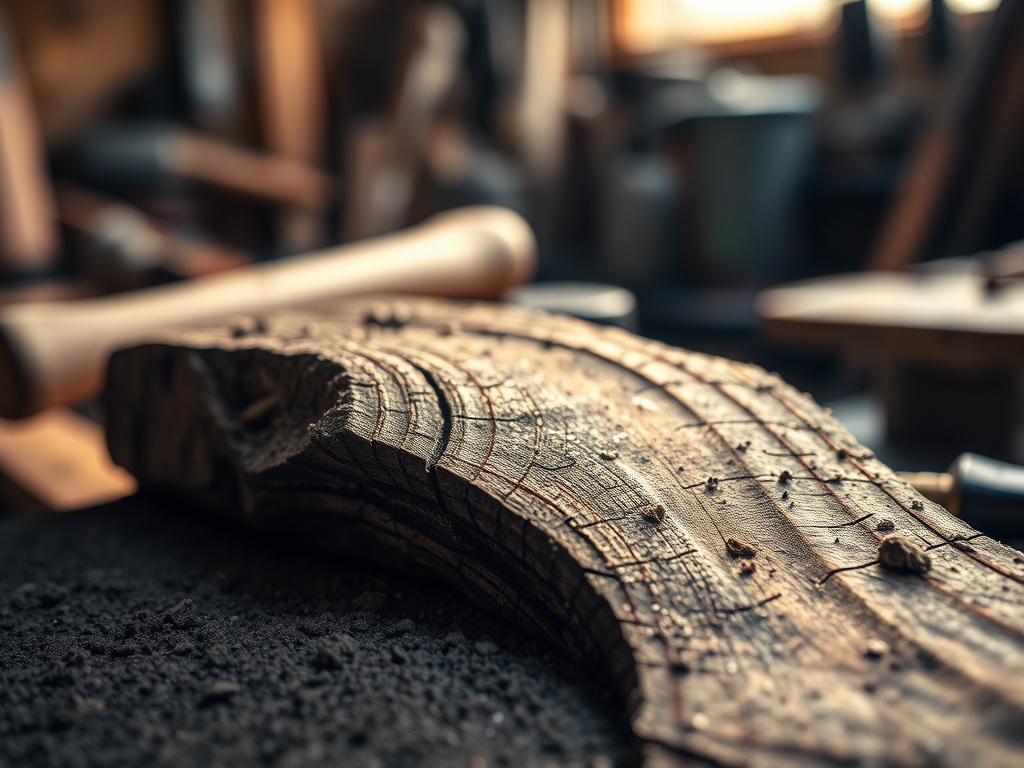
Close your eyes and run your fingertips across that raw timber surface. You can feel the microscopic mountain ranges of the grain; the jagged ridges of cellulose fibers standing at attention. If you apply a stain now, those thirsty pores will drink unevenly, leaving you with a blotchy mess that looks like a middle school shop project. The secret to that glass-like, high-end glow is Professional Finish Sanding. It is not just about making things smooth; it is about manipulating the surface geometry of the wood cells to reflect light in a perfectly parallel plane. When you achieve that level of precision, the finish does not just sit on top of the wood. It integrates with it. We are talking about a tactile experience so sleek it feels almost liquid. Most makers rush this part because they are hungry for the reveal, but we are smarter than that. We know that the final coat is only as good as the substrate beneath it. Let us get into the grit of how we turn raw material into a masterpiece.
THE STUDIO KIT
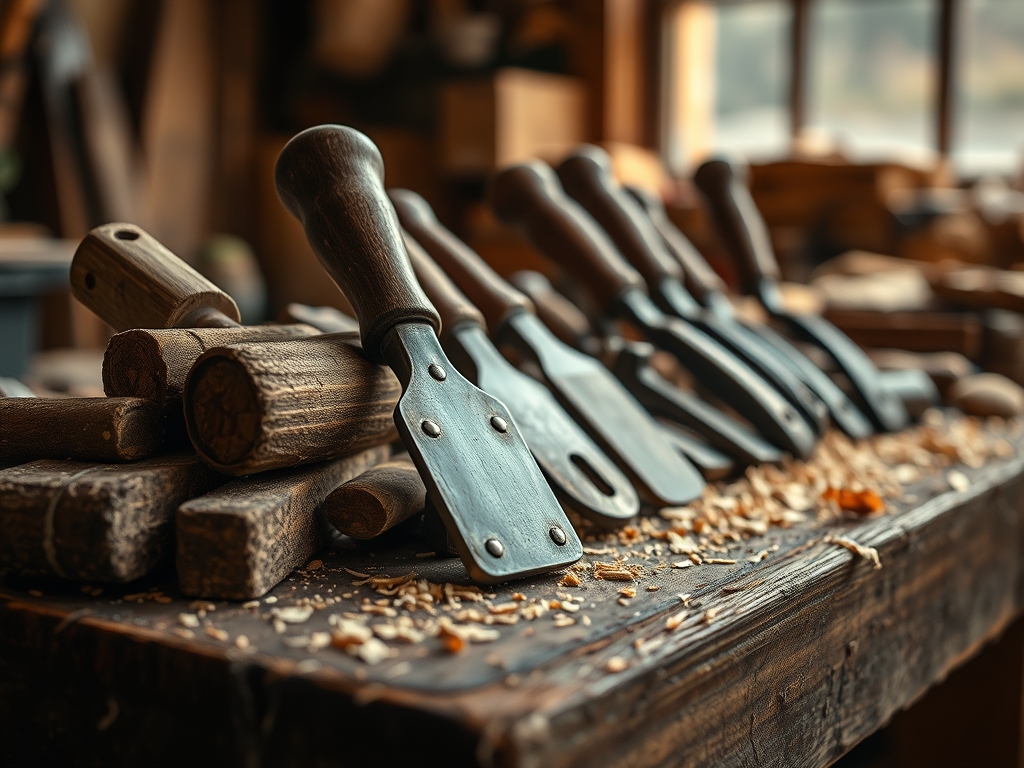
To master Professional Finish Sanding, your kit needs to be a curated collection of abrasives and precision instruments. You cannot rely on a single sheet of sandpaper from the junk drawer. Start with a high-quality Random Orbital Sander (ROS) featuring a brushless motor for consistent torque. You will need a progression of stearated aluminum oxide sandpaper discs ranging from 80 grit up to 320 grit. The stearate coating acts as a dry lubricant to prevent "pilling," which is when resin and dust form tiny balls that scratch your work.
For the detail work, keep a cork sanding block nearby. Cork offers the perfect balance of firmness and "give" to maintain flat planes without rounding over your crisp edges. You also need a tachometer or a light touch to monitor your tool speed; heat is the enemy of wood fibers. If you cannot find aluminum oxide, a Material Substitution would be silicon carbide paper, which is sharper but more brittle. For the ultimate inspection, use a digital caliper to ensure you are not sanding away too much thickness and a high-lumen raking light to expose "pigtails" or swirl marks.
THE TEMPO
The "Maker's Rhythm" is a meditative pace that respects the friction coefficient of your materials. If you move the sander too fast, you skip over the surface; too slow, and you create heat-induced depressions. Budget approximately twenty minutes per grit level for a medium-sized tabletop. This includes the time for a thorough dust extraction between stages. You are looking for a steady, overlapping stroke pattern moving at about one inch per second. Do not fight the machine. Let the weight of the sander do the work while you guide its path. This tempo ensures that the abrasive grains have enough "dwell time" to shear off the wood fibers cleanly rather than crushing them into the pores.
THE CORE METHOD
1. The Initial Leveling
Start with your lowest grit to remove mill marks and planer ripples. This is where you establish the structural flatness of the piece. Use your calipers to check for uniform thickness across the board. If the surface is not flat now, no amount of polishing will hide the waves later.
Mastery Tip: This stage relies on understanding tensile strength. By removing the damaged upper layer of fibers, you are exposing the stronger, more stable cellular structure beneath. This prevents the wood from checking or cracking as it adjusts to the humidity in your studio.
2. The Grit Progression
Move through your grits sequentially: 80, 120, 150, 180. Never skip a grit. Each successive level is designed to remove the scratches left by the previous one. If you jump from 80 to 180, the 180 grit is too fine to reach the bottom of the 80 grit valleys, leaving deep "canyons" that will show up under a finish.
Mastery Tip: Use the science of refraction. As the scratches become smaller and more uniform, the way light hits the surface changes from a diffused scatter to a focused reflection. This is why the wood starts to look "clearer" as you progress.
3. Raising the Grain
Before your final sanding pass, wipe the wood down with a damp (not soaking) lint-free cloth. This is called "popping the grain." The water causes the crushed wood fibers to swell and stand upright. Once the wood is dry, those fibers will feel fuzzy.
Mastery Tip: This utilizes capillary action. The water travels into the porous cells, increasing internal pressure and forcing the fibers to expand. Sanding these "whiskers" off with your highest grit ensures the wood stays smooth even after you apply a water-based topcoat.
4. The Final Burnish
For your absolute final pass, use a very fine grit or a specialized burnishing tool. This is a non-abrasive step where you are essentially "polishing" the wood cells. The goal is to create a surface so dense that the finish sits perfectly flat on top.
Mastery Tip: This stage manipulates surface tension. A smoother surface allows the liquid finish to flow out more evenly (leveling) rather than being pulled into microscopic crevices by surface tension, resulting in that professional, mirror-like sheen.
THE TECHNICAL LEDGER
Maintenance & Longevity: To keep your sanding equipment in peak condition, use a rubber cleaning stick on your sandpaper frequently. This removes "loading" (clogged dust) and extends the life of the abrasive by 300 percent. Store your sandpaper in a climate-controlled drawer to prevent the adhesive backing from degrading or the paper from curling due to humidity.
Material Variations:
- Premium Hardwoods: Cherry and Maple are prone to "burning," so use a lower RPM.
- Recycled Timber: Watch for embedded grit or minerals that can dull your sandpaper instantly.
- Sustainable Plywood: The veneer is incredibly thin (often less than 1/32 of an inch), so use a high-grit progression and very light pressure to avoid "sanding through" to the glue layer.
The Correction:
- Swirl Marks: If you see "pigtails," you moved too fast or had a piece of grit trapped. Fix this by dropping back down two grit levels and re-sanding the area with a slower, steadier stroke.
- Dish Marks: These are circular depressions caused by staying in one spot too long. You must sand the surrounding area down to match the depth of the depression to keep the surface flat.
- Burn Marks: Caused by friction heat. Switch to a fresh abrasive disc and reduce your tool speed. Do not try to sand it out with the same "loaded" disc that caused it.
Studio Organization: Store your project-in-progress on a flat, padded surface. Use "bench cookies" or non-slip pucks to keep the piece elevated. This prevents moisture from being trapped underneath the wood, which can cause the grain to swell unevenly and ruin your sanding progress.
THE FINAL REVEAL
Look at that! The light is dancing across the surface without a single interruption. By mastering Professional Finish Sanding, you have elevated a simple piece of wood into a tactile work of art. The grain is vibrant, the edges are crisp, and the surface feels like silk. When you finally apply that topcoat, it is going to glide on like a dream. You have done the hard work of prepping the "canvas," and now the beauty of the wood can truly shine. This is the difference between a hobbyist and a master maker. You did not just sand it; you engineered it for perfection.
STUDIO QUESTIONS
Why is dust extraction so important for the finish?
Dust particles act as miniature boulders under your sander, creating deep scratches called pigtails. Effective extraction keeps the interface clean, prevents sandpaper loading, and ensures the abrasive grains can cut the wood fibers cleanly for a perfectly level surface.
Can I skip grits if the wood feels smooth?
No. Each grit level removes the specific scratch pattern of the previous one. Skipping grits leaves deep, microscopic valleys that trap finish and create an uneven, cloudy appearance. Following the full progression is essential for a professional, glass-like result.
How do I know when I am done with a grit?
Scribble a light pencil line across the entire surface. Once the pencil marks are completely gone, you have sanded deep enough to remove the previous grit's scratches. This ensures uniform material removal and prevents over-sanding in specific areas.
What is the best way to sand end grain?
End grain is more porous and absorbs more finish, often turning darker. Sand end grain to two grit levels higher than the face grain. This "burnishes" the open pores, reducing absorption and helping the color match the rest of your piece.