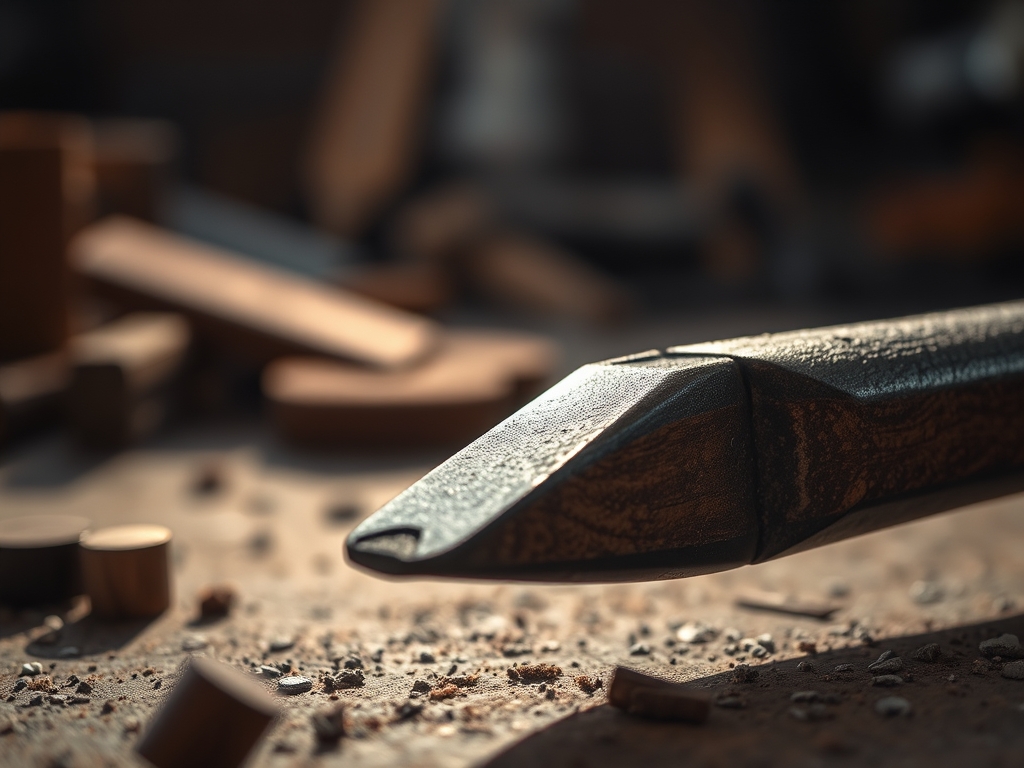
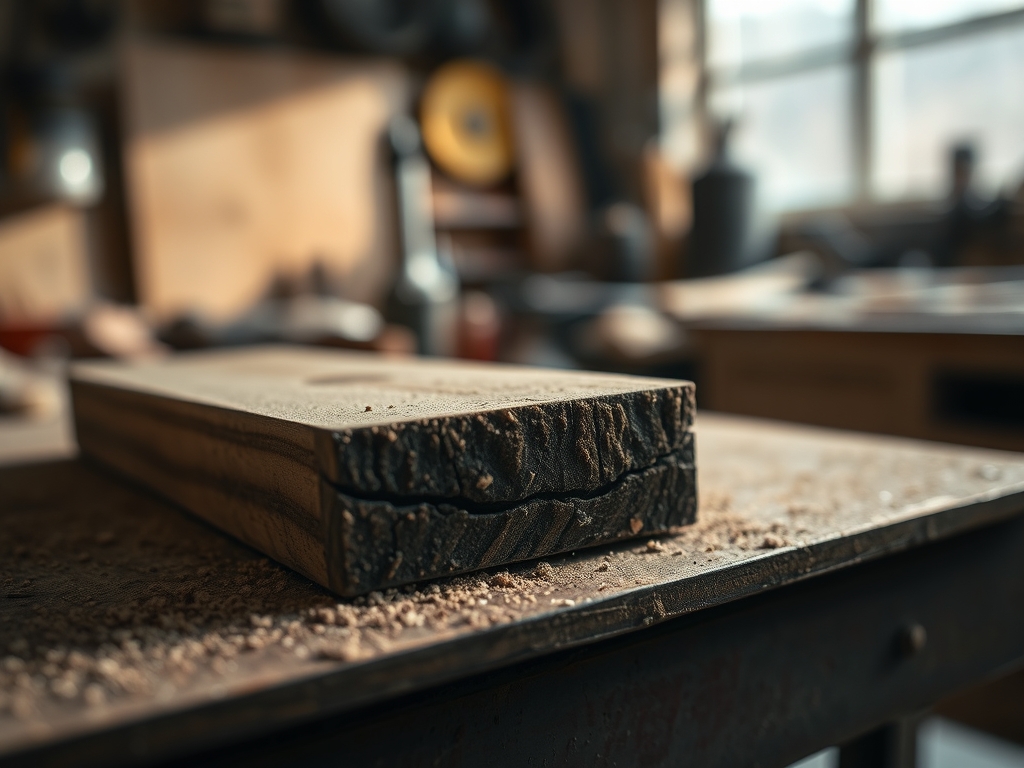
Listen to that high pitched whine. It is the sound of pure potential meeting absolute resistance. You know that feeling when you are holding a gorgeous piece of curly maple or a stubborn hunk of white oak and you just know the grain is waiting for one wrong move to splinter into a thousand regrets? Advanced Router Table Work is not just about spinning a bit at twenty thousand revolutions per minute; it is about the intimate physics of fiber compression and shear force. When you guide that stock against the fence, you are engaging in a high stakes dance with the tensile strength of the wood. The wood wants to tear. It wants to follow its own internal map of growth rings and pithy weaknesses. But we are not going to let it. We are going to master the tactile feedback of the machine until the wood has no choice but to surrender a glass smooth profile. It is about the vibration in your fingertips and the specific scent of toasted cellulose that tells you exactly when to back off or push through.
THE STUDIO KIT

To achieve professional results, your kit needs to be as precise as a surgeon's tray. We start with a heavy duty router lift and a variable speed motor. Speed control is vital because different bit diameters require specific surface feet per minute to avoid burning the lignin in the wood. You will need a set of solid carbide spiral flush trim bits. Unlike straight flutes, these provide a continuous shear cut that reduces chatter. Grab your digital calipers to verify the thickness of your stock down to the thousandth of an inch. We also need high friction push blocks to ensure ergonomic safety and consistent downward pressure.
For the materials, we are looking at premium hardwoods with erratic grain patterns like figured walnut or quartersawn sycamore. If you are practicing, a great Material Substitution is high density fiberboard (HDF) or baltic birch plywood. While they lack the natural beauty of solid timber, their uniform density allows you to practice complex profiles without worrying about catastrophic grain blowout. Always keep a brass awl and a fine tooth saw nearby for marking and pre-scoring your entry points. This mechanical severance of the fibers prevents the bit from grabbing and lifting the grain before the cut even begins.
THE TEMPO
Success in the shop is all about the Maker's Rhythm. You cannot rush the physics of a rotating cutter.
Phase One: The Calibration (20 Minutes). This is where you check the squareness of your fence and the runout of your collet. Even a microscopic wobble will translate into visible ripples on your profile.
Phase Two: The Rough Cut (30 Minutes). We never take the full profile in one pass. We use an oscillating tool or a bandsaw to remove the bulk of the waste, leaving only about a sixteenth of an inch for the router to clean up.
Phase Three: The Refinement (45 Minutes). This is the slow, methodical heart of the project. You are making multiple light passes, adjusting the bit height incrementally.
Phase Four: The Burnish (15 Minutes). The final pass is a "whisper cut" where the bit barely kisses the wood, removing nothing but the tiniest fuzz to leave a polished surface. This rhythm prevents heat buildup and ensures the tool remains sharp throughout the entire run.
THE CORE METHOD
1. Mapping the Grain Direction
Before the power is even on, you must read the wood like a topographical map. Look at the "cathedrals" on the face and the slope of the fibers on the edge. You always want to cut "downhill" relative to the grain.
Mastery Tip: This involves the science of fiber orientation. If you cut against the grain, the bit acts like a wedge, prying the wood fibers up and away from the substrate. By cutting with the grain, the bit shears the fibers against the support of the surrounding material, maintaining structural integrity.
2. The Zero Clearance Setup
To prevent the wood from splintering as it exits the cut, you need a zero clearance fence. This means the opening in your fence is exactly the size of your bit, leaving no gap for the wood fibers to bend into.
Mastery Tip: This utilizes the principle of mechanical support. By minimizing the unsupported area around the cutter, you are preventing the wood from vibrating at a high frequency, which is the primary cause of "chatter" marks on difficult grain.
3. Incremental Depth Adjustment
Never try to be a hero and take the full depth of a complex profile in one go. Set your bit low and raise it in three or four distinct stages.
Mastery Tip: This manages the torque load on the router motor and the heat dissipation at the cutting edge. Excessive heat can cause the wood sugars to caramelize and the tool steel to lose its temper, leading to a dull bit and a ruined workpiece.
4. The Climb Cut Contingency
In areas where the grain is particularly wild, you might need to perform a very shallow "climb cut" where you move the wood in the same direction as the bit's rotation. This is advanced and requires a firm grip.
Mastery Tip: This technique changes the shear angle. Instead of the bit lifting the grain, it pushes it down. However, because the tool wants to "self feed," you must use heavy pressure to maintain control and prevent the piece from being launched across the studio.
THE TECHNICAL LEDGER
Maintenance & Longevity
To keep your profiles crisp, you must clean your bits after every session. Pitch and resin buildup increase friction and heat. Use a specialized solvent and a brass brush to remove residue without dulling the carbide. Check your collet for dust; even a single grain of sawdust inside the collet can cause bit misalignment.
Material Variations
Sustainable: Reclaimed chestnut is beautiful but brittle. It requires a lower RPM to prevent shattering.
Premium: Exotic woods like Cocobolo are oily. These oils can lubricate the cut but also clog your sandpaper instantly.
Recycled: Compressed paper composites offer a unique, stone like finish but are incredibly abrasive on tools.
The Correction
- The Mistake: Deep burn marks on a curve. The Fix: Increase your feed rate or lower the bit speed. You can often remove light burns by rubbing the area with a scrap of the same wood to "burnish" the fibers back to their natural color.
- The Mistake: Grain blowout at the end of a board. The Fix: Use a "back up board" or a sacrificial piece of scrap held tightly against the trailing edge to support the fibers as the bit exits.
- The Mistake: Wavy profile lines. The Fix: Check your fence for flex. If the fence moves even a millimeter under pressure, your profile will be inconsistent.
Studio Organization
Store your router bits in a wooden block or a foam lined case to prevent the carbide edges from touching each other. Carbide is hard but brittle; a small bump can chip the edge. Keep your templates hung vertically on a pegboard to prevent warping, ensuring they stay perfectly flat for your next session.
THE FINAL REVEAL
There it is. Look at that light catching the curves! When you run your hand across that profile, it should feel like polished stone, not raw timber. The way the light dances across the figured grain without any jagged interruptions is the ultimate reward for your patience. You have successfully navigated the complex physics of cellular structures and high speed rotation. This piece is no longer just wood; it is a testament to your technical precision and your refusal to settle for "good enough." It is sharp, it is clean, and it is ready for a high quality oil finish that will make those fibers pop.
STUDIO QUESTIONS
Why is my router bit burning the wood?
Burning occurs when the bit spins too fast or the wood moves too slowly. This creates excessive friction, heating the wood's lignin. To fix this, increase your feed rate or reduce the router's RPM setting for a cooler, cleaner cut.
What is the best bit for figured grain?
A solid carbide spiral compression bit is the gold standard. It pulls the top fibers down and the bottom fibers up toward the center of the board. This simultaneous action prevents chipping on both the top and bottom faces of the wood.
How do I stop my router table from vibrating?
Ensure the table is heavy and bolted down. Vibration often stems from an unbalanced bit or a worn collet. Use a dial indicator to check for "runout." If the bit is off center by even a hair, the vibration will ruin your finish.
Can I use a router on very thin wood?
Yes, but you must use a vacuum fence or a specialized hold down jig. Thin wood lacks the mass to dampen vibrations, making it prone to shattering. Always use a sacrificial zero clearance insert to provide maximum support under the workpiece.