Grab your goggles because we are about to turn that dull, oxidized hunk of yellow metal into a mirror that would make a narcissist weep with joy. There is something intoxicating about the tactile weight of solid brass; it has a density and a heat conductivity that feels alive in your hands compared to cheap plated alloys. When we dive into Advanced Metal Polishing, we are not just cleaning a surface. We are performing a microscopic leveling of the metallic landscape. Right now, your hardware probably looks like a lunar surface under a microscope, full of jagged peaks and valleys that scatter light in every direction. That is why it looks matte and lifeless. By the time we are done, we will have planed those microscopic mountains down until the surface is so flat that photons bounce off it in perfect parallel lines. This process requires patience and a bit of elbow grease, but the payoff is a deep, honey-hued glow that radiates luxury. We are talking about achieving a finish so crisp you can see your own eyelashes in the reflection.
THE STUDIO KIT
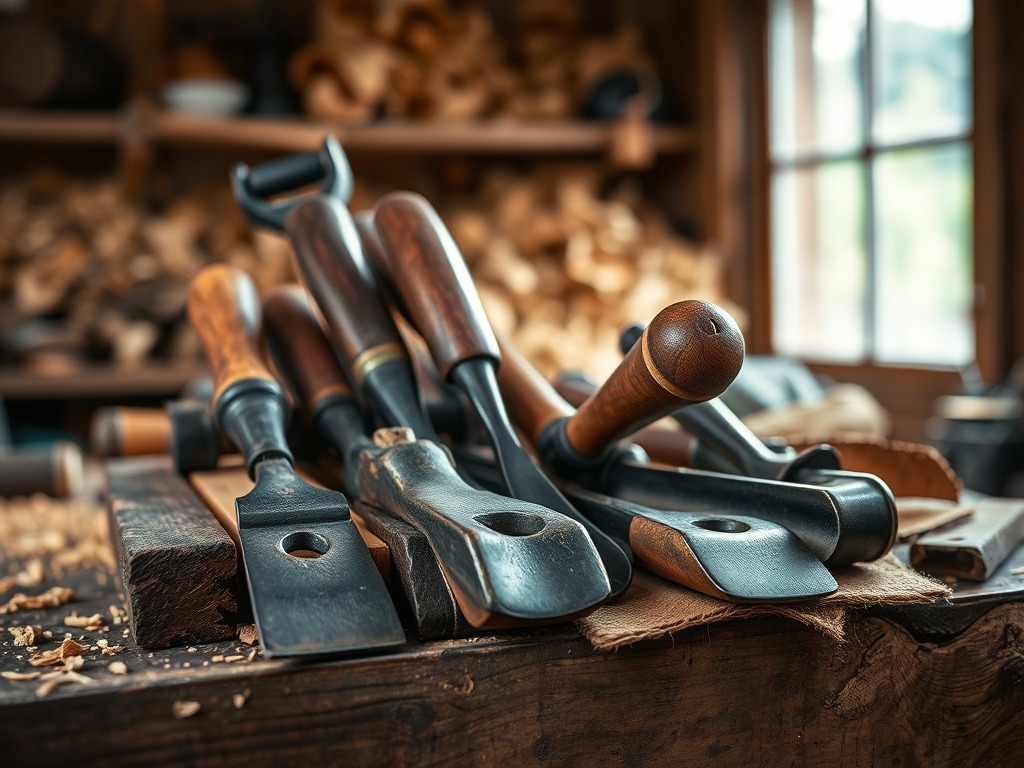
To master the art of the mirror finish, your workstation needs to look like a cross between a jewelry studio and a high-end auto shop. First, you need a set of wet-dry silicon carbide sandpaper ranging from 400 grit all the way up to 3000 grit. The grit refers to the number of abrasive particles per square inch; higher numbers mean smaller particles and a smoother finish. You will also need a variable-speed rotary tool or a bench buffer. If you are working on small cabinet pulls, an oscillating tool with a felt bob attachment is your best friend. For the chemical side, grab a high-quality tripoli pre-polishing compound (the brown stuff) and a white diamond final polish. You will also need a microfiber cloth, a pair of digital calipers to check for material loss, and a degreaser like isopropyl alcohol.
Material Substitutions: If you cannot find jeweler's rouge, a high-grade automotive rubbing compound works in a pinch. If you lack a rotary tool, you can use a leather strop or a piece of heavy denim wrapped around a flat wooden block to manually burnish the metal, though it will take significantly more time to reach a true specular reflection.
THE TEMPO
The Maker's Rhythm is all about the "Rule of Doubling." You should spend twice as much time on your coarsest grit as you think you need, because every scratch left behind at the start will be magnified ten times by the end. Expect to spend about 15 minutes on the initial cleaning and de-burring. The sanding phase is the marathon; give yourself 45 to 60 minutes to cycle through the grits. The final mechanical buffing takes about 10 minutes of intense focus. Total studio time for a standard set of hardware is roughly 90 minutes. Do not rush the transition between grits; the rhythm should be steady, rhythmic, and methodical.
THE CORE METHOD
1. The Deep Clean and Assessment
Before touching an abrasive, you must strip any existing lacquer or wax. Use a solvent to ensure you are working on raw metal. Check the gauge of the piece with your calipers to ensure there is enough material to withstand the abrasion.
Mastery Tip: This step relies on understanding surface tension. Any residual oils or old clear coats will cause your sandpaper to "skate" rather than bite into the metal, leading to an uneven finish.
2. Sequential Wet Sanding
Start with 400 grit and sand in one direction only. Once the surface looks uniform, switch to 600 grit and sand perpendicular to your previous marks. Continue this "cross-hatching" pattern up to 3000 grit.
Mastery Tip: Using water as a lubricant reduces friction heat and prevents the sandpaper from "loading" with metal dust. This keeps the abrasive efficiency high and prevents deep, stray scratches.
3. The Tripoli Cut
Apply the brown tripoli compound to a firm felt bob on your rotary tool. Move the tool in small, circular motions across the brass. This compound is aggressive enough to remove the microscopic scratches left by the 3000-grit paper.
Mastery Tip: Watch the thermal expansion. Brass dissipates heat quickly, but if the piece gets too hot to touch, the compound can bake onto the surface, creating a stubborn film that ruins the clarity.
4. The Final Specular Buff
Switch to a clean, soft cotton buffing wheel and apply the white diamond compound. Use light pressure and high RPMs. This is where the magic happens and the "haze" disappears into a deep, liquid-like glow.
Mastery Tip: This stage utilizes plastic deformation on a microscopic scale. The heat and friction actually move the top molecules of the metal to fill in the tiniest remaining pores, creating a perfectly flat plane.
5. Degreasing and Sealing
Wipe the piece down with isopropyl alcohol to remove all traces of buffing wax. If you want to prevent patina, apply a thin coat of museum-grade microcrystalline wax or a specialized metal lacquer.
Mastery Tip: Brass is a porous alloy of copper and zinc. If you do not seal it immediately, oxygen will begin the oxidation process within minutes, dulling your hard work before it even hits the cabinet.
THE TECHNICAL LEDGER
Maintenance & Longevity: To keep that high gloss, avoid acidic cleaners or abrasive sponges. A simple wipe with a soft chamois cloth once a week is usually enough to maintain the luster. If the brass begins to dim, a quick touch-up with a non-abrasive liquid polish will restore the shine without needing to restart the sanding process.
Material Variations:
- Recycled Brass: Often contains more impurities which can lead to "pitting" during the polishing process.
- Marine-Grade Brass: High zinc content makes it harder and more resistant to corrosion, but it requires more pressure during the initial sanding phase.
- Architectural Bronze: Often confused with brass, this requires a different set of compounds as it is much harder on the Mohs scale.
The Correction:
- The Orange Peel Effect: This happens when you over-buff one spot. Fix it by dropping back down to 1000-grit sandpaper to level the surface and starting the sequence over.
- Black Streaks: This is usually caused by "burnt" compound. Use a degreaser to strip the gunk and buff at a lower RPM with fresh compound.
- Visible Scratches: If you see a line under the gloss, you didn't sand long enough at a lower grit. You must go back to the grit that matches the scratch depth; you cannot "buff out" a deep scratch.
Studio Organization: Store your polishing wheels in labeled zip-lock bags. Even a single grain of 400-grit sand getting onto your 3000-grit wheel will ruin a finish instantly. Keep your compounds separated to prevent cross-contamination.
THE FINAL REVEAL
Look at that! You have successfully transformed a piece of utilitarian hardware into a shimmering jewel. The way the light wraps around the curves of the brass now is purely sculptural. It feels smooth, almost soft to the touch, and has a visual depth that imitation gold plating could never replicate. You have mastered the physics of light reflection and the mechanical properties of non-ferrous alloys. Go ahead and install that hardware; it is the definitive exclamation point on your project.
STUDIO QUESTIONS
Why does my brass look cloudy after polishing?
Cloudiness usually indicates residual buffing compound or microscopic scratches from skipping a sandpaper grit. Ensure you thoroughly degrease the surface with alcohol and never jump more than 400 grit sizes at a time during the sanding phase.
Can I use a dremel for large brass plates?
A small rotary tool like a Dremel is excellent for intricate details but will create an uneven, "wavy" finish on large flat surfaces. For large plates, use a random orbital sander or a full-sized bench buffer for consistent pressure.
How do I tell if my hardware is solid brass?
Test it with a magnet; solid brass is non-ferrous and will not attract a magnet. You can also use a small file in an inconspicuous area; if you see silver underneath, it is plated zinc or steel, not solid brass.
Is wet sanding really necessary?
Yes, wet sanding is vital for Advanced Metal Polishing. The liquid carries away the swarf (metal dust), preventing it from clogging the paper and scratching the surface. It also keeps the metal cool, preventing warping or heat-related discoloration.
What is the best way to prevent tarnishing?
A high-quality microcrystalline wax is the professional choice for a natural look. For a permanent, maintenance-free finish, use a clear cellulose lacquer, though this can slightly dull the absolute "crispness" of the reflection compared to wax.