Picture the scene. You have spent hours meticulously measuring, cutting, and sanding your components until the grain alignment is a work of art. The scent of fresh sawdust is still hanging in the air like a sweet perfume. Then comes the moment of truth. You apply the adhesive and suddenly your perfect joints start sliding around like they are on ice. This is where Advanced Clamping Methods become your absolute best friend. Without a strategic plan, the surface tension of the liquid glue acts as a lubricant rather than a bond, threatening the structural integrity of your entire build. You feel that frantic pulse in your wrists as the open time on the glue bottle starts ticking down. It is a high stakes dance between physics and patience. We are not just sticking things together; we are engineering a permanent molecular bond that must resist the natural movement of the fibers. To master the awkward glue up, you must understand how to counteract the hydraulic pressure of the adhesive while maintaining perfect perpendicularity. Let us dive into the studio and fix this mess before the glue sets.
THE STUDIO KIT
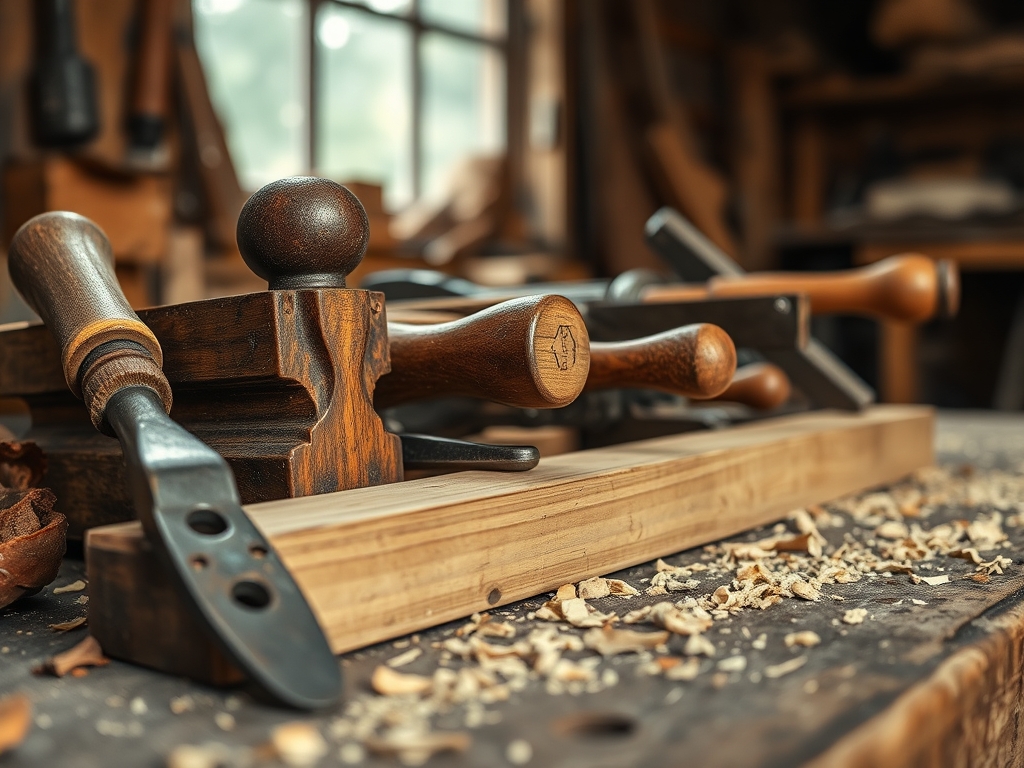
To execute these maneuvers, your workbench needs a specific arsenal of high precision tools. First, grab your digital calipers to ensure your material thickness is uniform to the millimeter. You will need a variety of parallel jaw clamps because they distribute pressure evenly across the entire surface area, preventing the dreaded bowing effect. Keep a bone folder or a narrow burnishing tool nearby to clean up squeeze out in tight corners without damaging the wood fibers. For those impossible angles, spring clamps with swivel pads and band clamps are non negotiable.
Your material list should include high quality PVA glue with a long open time, allowing you more wiggle room for adjustments. If you are working with oily hardwoods, keep a bottle of acetone and a lint free rag ready to strip the surface oils before bonding. For Material Substitutions, if you lack specialized corner clamps, you can create "clamping cauls" from scrap plywood and double sided tape. This DIY solution mimics the force distribution of expensive professional rigs while protecting your workpiece from marring.
THE TEMPO
The "Maker's Rhythm" is all about managing the chemical reaction of your adhesives. You have three distinct phases. Phase one is the Dry Fit, which takes about 15 to 20 minutes. This is your dress rehearsal where you check every joint for gaps. Phase two is the Active Bond, a frantic 10 minute window where you apply glue and set your clamps. Phase three is the Cure Cycle, which requires a minimum of 24 hours for the moisture to fully evaporate and the polymer chains to lock. Do not rush the cure. Moving a piece too early disrupts the capillary action that draws the glue into the pores, resulting in a joint that will eventually fail under stress.
THE CORE METHOD
1. The Perimeter Perimeter Setup
Before any glue touches the surface, arrange your clamps in a perimeter around the workpiece. Use your jeweler's saw to notch any custom cauls if you are working with irregular shapes. This ensures that when the pressure is applied, it is directed toward the center of the joint. Mastery Tip: This method utilizes force vectoring to ensure that clamping pressure is perpendicular to the glue line, preventing the components from "walking" or sliding out of alignment as the adhesive lubricates the wood fibers.
2. The Caul and Cam Leverage
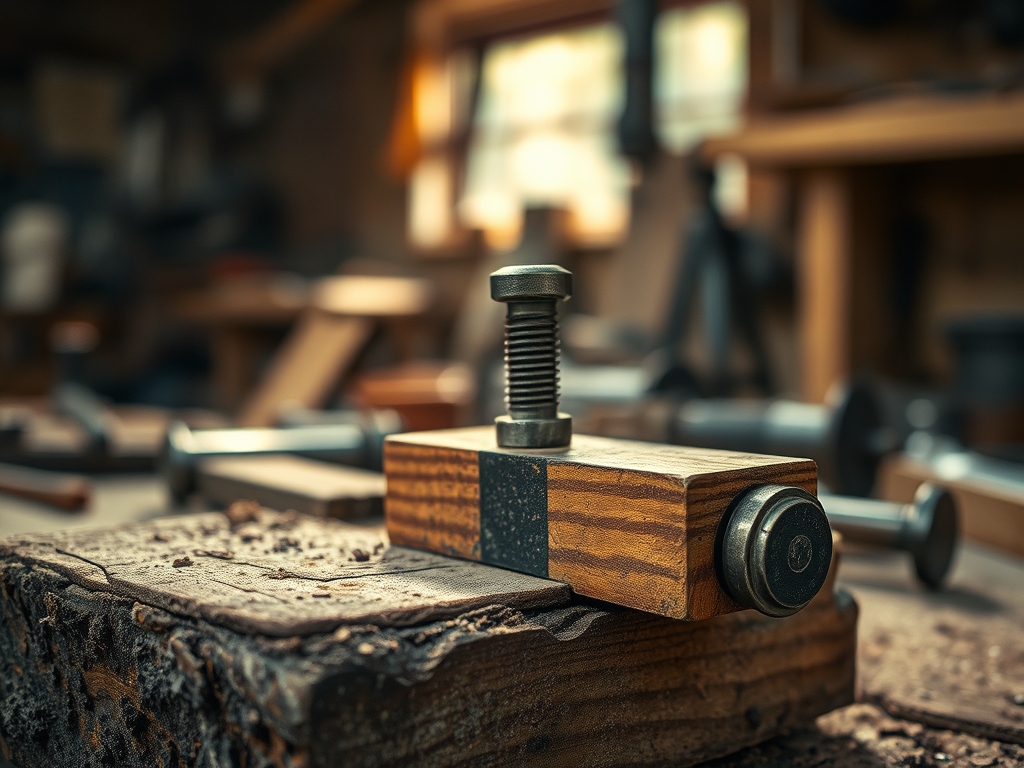
Place sacrificial strips of wood, known as cauls, between the clamp jaws and your project. Use a slight outward bow in the center of the caul to ensure pressure reaches the middle of a wide panel. Mastery Tip: This technique addresses the modulus of elasticity in the wood. By pre stressing the caul, you compensate for the flex of the clamp bar, ensuring a uniform PSI across the entire surface area rather than just at the edges.
3. The Cross Tension Banding
For circular or multi sided objects, use a nylon band clamp. Tighten it slowly while tapping the joints with a rubber mallet to settle the pieces. Use an awl to check for tiny gaps in the seam. Mastery Tip: This relies on hoop stress physics. The tension is distributed equally around the circumference, which pulls every mitered joint toward the center point simultaneously, creating a self centering effect that is impossible with standard bar clamps.
THE TECHNICAL LEDGER
Maintenance & Longevity: Keep your clamp bars clean. Dried glue on a clamp rack prevents the sliding jaw from locking properly, which can lead to sudden pressure loss. Wipe your tools with a light coat of machine oil once a month to prevent oxidation.
Material Variations:
- Sustainable: Use soy based adhesives for interior projects to reduce VOC emissions.
- Recycled: Repurpose old inner tubes as heavy duty "rubber band" clamps for small, intricate glue ups.
- Premium: For high end furniture, use hide glue. It is reversible and does not interfere with finishing stains.
The Correction:
- The Slide: If the pieces are slipping, sprinkle a tiny pinch of table salt into the glue. The grains act as temporary anchors to prevent movement.
- The Bow: If your panel is arching under pressure, you have too much force on one side. Alternate your clamps above and below the workpiece to balance the tensile load.
- The Starved Joint: If no glue squeezes out, you applied too much pressure too fast. Back off the clamps, add more glue, and tighten slowly to allow the air to escape.
Studio Organization: Store your glued projects on a flat, level surface away from direct sunlight or HVAC vents. Uneven drying caused by temperature fluctuations can induce warping or internal stresses that crack the wood as it reaches equilibrium moisture content.
THE FINAL REVEAL
There is nothing quite like the feeling of releasing the clamps and seeing a seamless, rock solid joint. When you run your fingers over the seam, it should feel like a single, continuous piece of material. The grain flows perfectly, and the structural integrity is now higher than the wood itself. By using these Advanced Clamping Methods, you have transformed a stressful, sticky mess into a masterclass in precision engineering. Your project is no longer just a collection of parts; it is a unified object ready for the final sanding and finish. You did it, and it looks absolutely professional.
STUDIO QUESTIONS
How do I prevent clamps from denting soft wood?
Always use clamping cauls or soft plastic pads. These distribute the concentrated force of the clamp jaw across a wider surface area, keeping the pressure below the material's crushing point and preserving the delicate surface fibers.
What is the best way to clean up wet glue?
Use a damp microfiber cloth to wipe away the bulk of the squeeze out. For tight interior corners, a bone folder wrapped in a damp rag allows you to reach deep into the joint without scratching the wood.
How long should I really leave the clamps on?
While glue may "set" in thirty minutes, you should leave clamps on for at least two to four hours for standard joints. For high stress or structural bonds, wait a full twenty four hours to ensure total moisture evaporation.
Can I use too many clamps?
Technically, yes. Excessive pressure can result in a starved joint where all the adhesive is squeezed out of the pores. You want firm, even pressure indicated by a consistent bead of small glue bubbles along the entire seam.