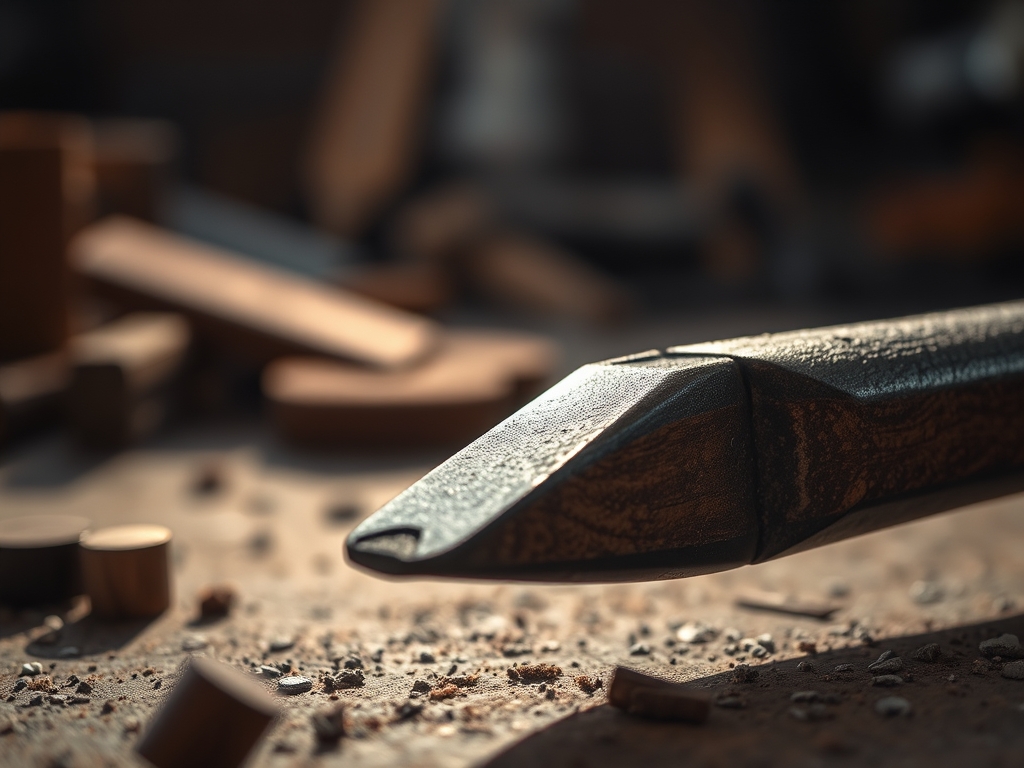
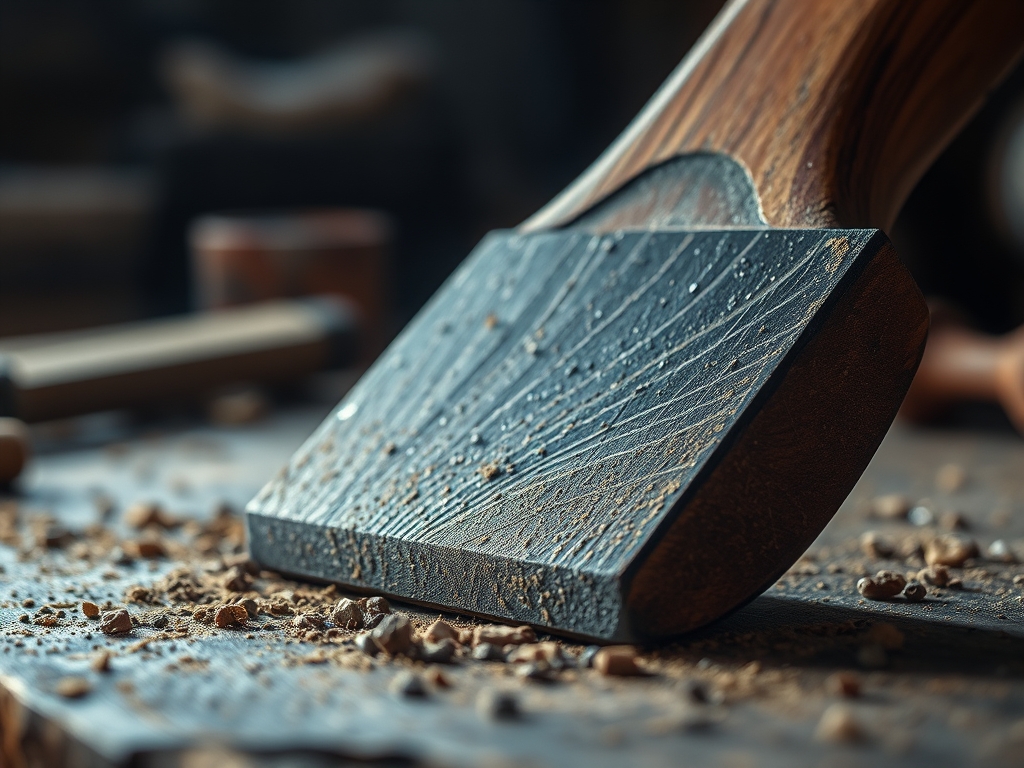
Close your eyes and run your fingers across a piece of oak that has been sanded to a high grit. It feels smooth, sure, but it also feels slightly muffled; almost like looking at a landscape through a thin layer of dust. That is because sandpaper is a blunt instrument that relies on abrasion to tear away fibers, leaving behind microscopic furrows and "fuzz" that kills the natural luster of the wood. If you want a surface that glows from within and feels like polished stone, you need to stop sanding and start Mastering the Bench Scraper. This simple rectangle of high-carbon steel does not abrade the surface; it shears it. By using a hooked edge to slice through the cellular structure of the timber, you are revealing the true, crystalline nature of the grain. This process involves a fascinating interplay of tensile strength and shear force, where the steel edge overcomes the lignin bonds of the wood to create a finish that is optically superior to anything a random orbital sander could ever produce.
THE STUDIO KIT
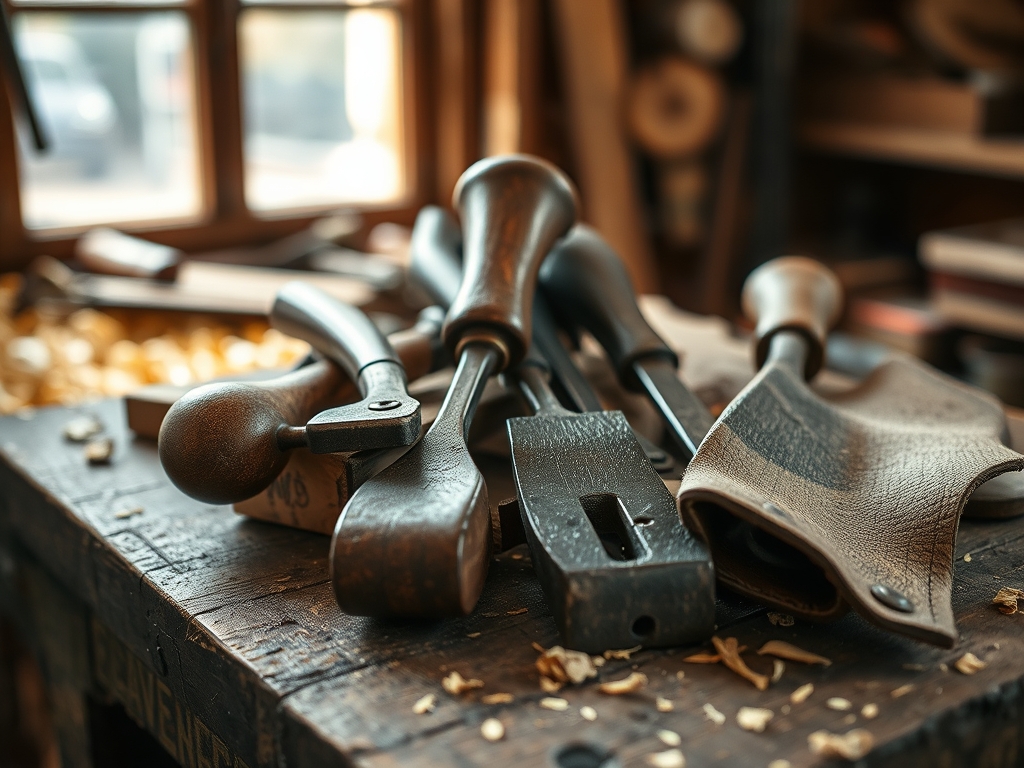
To achieve this level of finish, your kit must be precise. The centerpiece is a card scraper (also known as a cabinet or bench scraper), typically made of 0.8mm to 1.0mm spring steel. You will also need a burnisher, which is a highly hardened steel or tungsten carbide rod used to turn the "hook" or the cutting edge. For maintenance, keep a fine mill file and a high-grit whetstone (1000/6000 grit) nearby to ensure the edges are perfectly square before you begin the burnishing process. You might also find a pair of calipers useful to check for thickness consistency across the workpiece, and a bone folder for checking the smoothness of the grain without transferring oils from your skin.
Material Substitutions: If you lack a professional burnisher, the shank of a high-quality carbide drill bit or the back of a jeweler's saw blade can work in a pinch, provided the steel is harder than the scraper itself. For the wood, high-density hardwoods like cherry, maple, or walnut respond best to this technique. Softwoods with high resin content can sometimes gum up the edge, requiring more frequent cleaning with mineral spirits.
THE TEMPO
Mastering the Bench Scraper is not about speed; it is about the Maker's Rhythm. The initial preparation of the steel—filing, honing, and turning the hook—takes approximately 10 to 15 minutes. Once the tool is prepped, the actual scraping of a standard tabletop might take 30 to 45 minutes of focused, rhythmic labor. You are looking for "whisper shavings" rather than dust. The rhythm is dictated by the heat buildup in the tool; as the friction increases, the steel expands slightly, and your thumbs will feel the temperature rise. This is your cue to pause, check the grain direction, and let the metal cool. This cyclical pace ensures you do not fatigue the metal or your hands, maintaining a consistent ergonomic pressure throughout the session.
THE CORE METHOD
1. Squaring the Edge
Before you can cut, you must prepare the substrate of the tool. Secure the scraper in a vise and use a fine mill file to flatten the long edge until it is perfectly 90 degrees. Follow this by "lapping" the faces and the edge on your whetstones until they have a mirror finish.
Mastery Tip: This step is about structural integrity. Any microscopic nicks left by the file will be magnified once the hook is turned, resulting in "tracks" or scratches on your wood surface.
2. Drawing the Burr
Lay the scraper flat on the bench and rub the burnisher firmly across the face near the edge. This "draws" the molecules of the steel toward the corner, creating a tiny flange of metal.
Mastery Tip: This utilizes the ductility of high-carbon steel. You are effectively moving the metal without removing it, prepping it to be folded into a cutting hook.
3. Turning the Hook
Hold the scraper vertically and run the burnisher along the edge at a slight angle (about 5 to 10 degrees). Use firm, consistent pressure to roll that flange over into a sharp, microscopic hook.
Mastery Tip: The science here is work hardening. As you rub the steel, you are slightly increasing its hardness at the point of contact, ensuring the hook holds its shape against the abrasive nature of the wood fibers.
4. The Shear Cut
Grasp the scraper with both hands, bowing it slightly with your thumbs in the center. Tilt it forward until the hook engages the wood, then push or pull in long, continuous strokes following the grain.
Mastery Tip: This action relies on shear stress. Because the hook is sharper than any sandpaper grit, it severs the wood cells cleanly. This prevents capillary action from pulling finish too deeply into "fuzzy" torn fibers, which is why scraped wood looks so much brighter.
THE TECHNICAL LEDGER
Maintenance & Longevity: A well-turned hook will last for about 15 to 20 minutes of heavy use. Once you start seeing dust instead of shavings, it is time to "re-burnish." You can usually turn the hook back up two or three times before you need to go back to the file and stones to start fresh. Store your scrapers in a leather roll or a dry wooden slotted block to prevent the edges from clashing and dulling.
Material Variations:
- Sustainable: Reclaimed old saw blades (especially antique hand saws) make excellent scrapers due to their high-quality vintage steel.
- Premium: Tungsten carbide scrapers are available; they stay sharp significantly longer but lack the "flex" and tactile feedback of traditional spring steel.
The Correction:
- Chatter Marks: If the scraper "jumps" and leaves ripples, your angle is too steep or you are not bowing the blade enough. Reduce the tilt and increase the curve of the steel.
- Scratches: This indicates a nick in the hook. You must re-hone the edge on a stone to remove the defect and re-turn the hook.
- Heat Discomfort: If the blade burns your thumbs, apply a piece of blue painter's tape to the back of the scraper or use a specialized wooden scraper holder to provide a thermal barrier.
Studio Organization: To prevent oxidation and degradation, wipe your scrapers with a thin coat of camellia oil after every session. Keep them in a humidity-controlled environment, as even a small amount of rust on the edge will ruin the quality of the shear cut.
THE FINAL REVEAL
The transformation is nothing short of magical! When you finish Mastering the Bench Scraper, the wood surface will have a tactile quality that feels almost like silk or glass. Because you have sliced the fibers cleanly rather than crushing them, the light reflects off the cellular walls of the timber, creating a "chatoyancy" or depth that makes the grain appear three-dimensional. There is no dust clogging the pores, meaning your oil or wax finish will bond perfectly with the wood. Your project is no longer just a piece of furniture; it is a masterclass in physics and craft, glowing with a clarity that no machine could ever replicate.
STUDIO QUESTIONS
Why is scraping better than high-grit sanding?
Sanding tears fibers and clogs pores with dust, dulling the wood. Scraping shears fibers cleanly, leaving an open, reflective cellular structure that enhances natural grain depth and creates a superior tactile finish.
How do I know if my hook is turned correctly?
A correctly turned hook will produce thin, curly shavings that look like lace. If you are producing fine dust, the hook is either not turned far enough or the edge was not square before burnishing.
Can I use a bench scraper on plywood?
Use extreme caution. The veneer on modern plywood is often less than 1/32 of an inch thick. A sharp scraper can easily "burn through" the ply and reveal the glue layer beneath, ruining the piece.
Does the thickness of the scraper matter?
Yes. A 0.8mm scraper is flexible and ideal for fine finishing and curved surfaces. A thicker 1.0mm or 1.2mm scraper is stiffer, making it better for heavy material removal or flattening high spots on large panels.
How do I stop the scraper from digging in at the corners?
Always "bow" the scraper by pushing with your thumbs in the center. This creates a convex curve, lifting the sharp corners away from the wood and ensuring only the middle section of the blade makes contact.