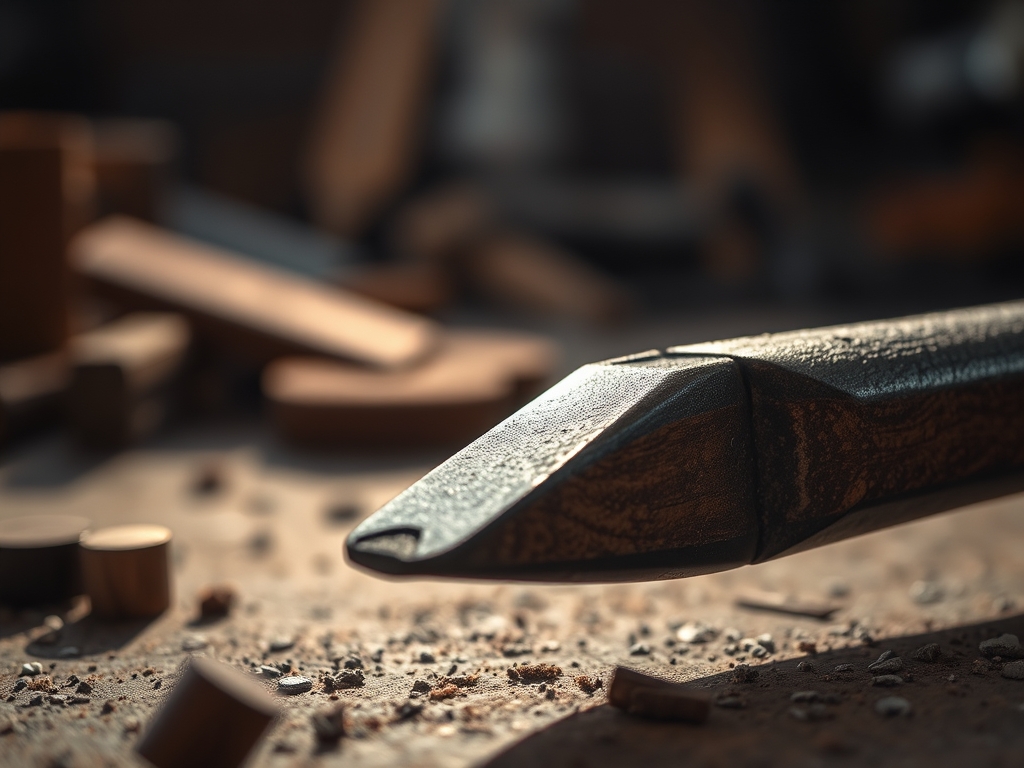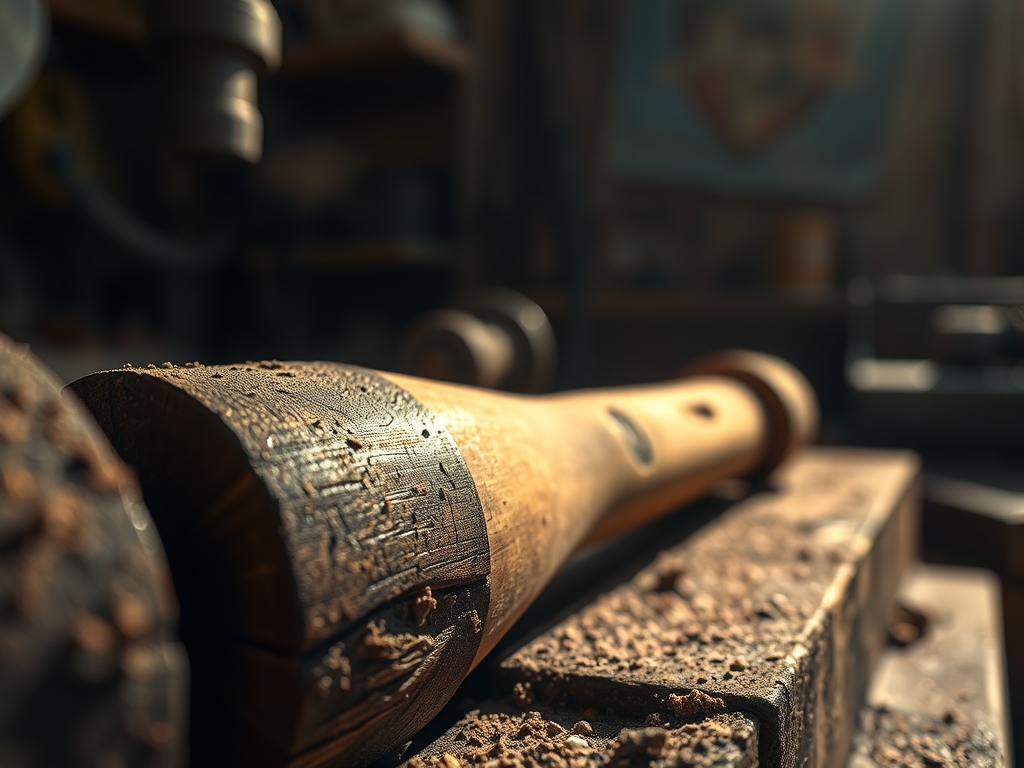
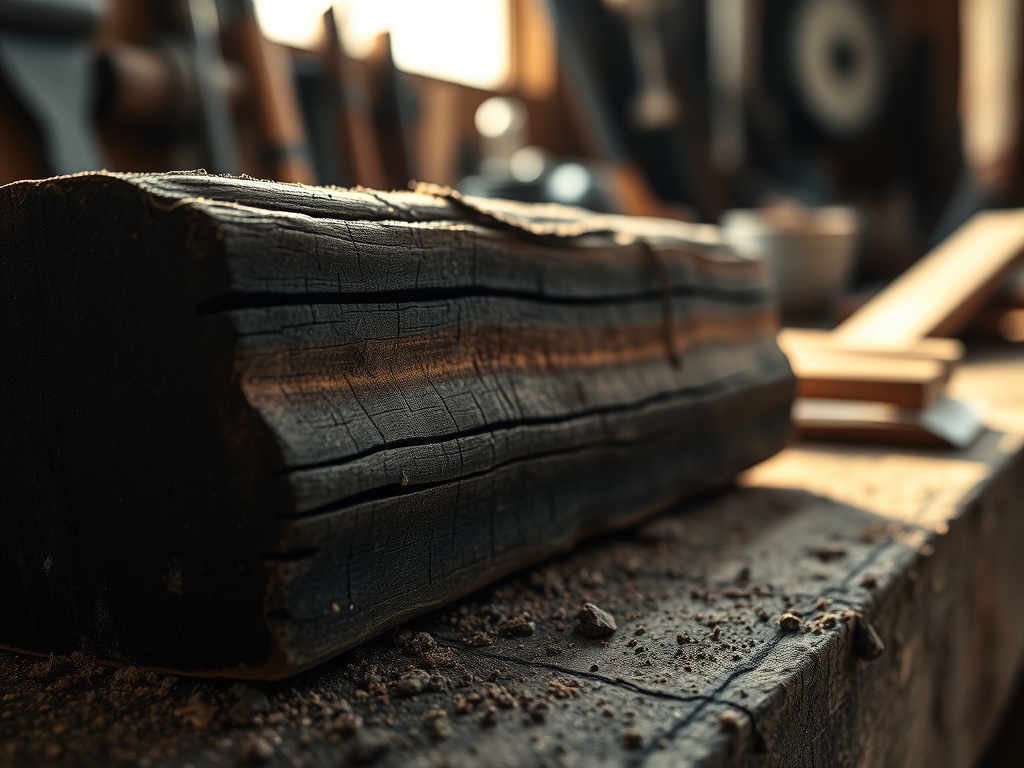
Run your fingers across the surface and you will feel the history of the forest vibrating beneath your skin. It is not just about the color or the smell; it is about the cellular structure and the way the light catches the medullary rays. When you are standing in the lumber yard, you are not just shopping. You are hunting for the perfect skeleton for your next masterpiece. Understanding Timber Grades is the secret handshake of the woodworking world; it is the difference between a project that warps within a week and a heirloom that survives a century. I look for that specific lignin density that promises stability. I want to see the growth rings packed so tightly they look like a topographical map of a mountain range. If the grain is wild and wandering, your joinery will suffer. We are looking for the "Select" and "First and Seconds" (FAS) designations because we refuse to settle for anything less than structural perfection and aesthetic brilliance.
THE STUDIO KIT
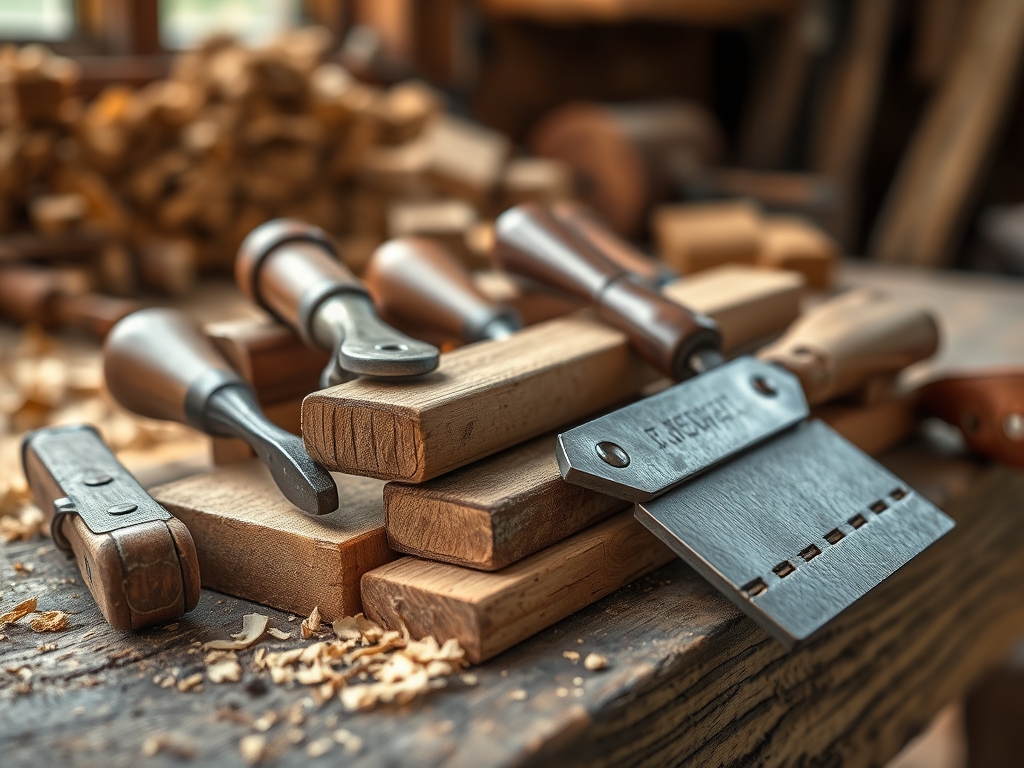
To truly evaluate timber, you need more than just your eyes. I never hit the yard without my digital calipers to check for thickness consistency across the entire length of the board. I carry a small block plane to shave a tiny corner of a rough-cut plank; this reveals the true color and grain orientation hidden under the oxidation. A moisture meter is non-negotiable. If the internal moisture content is above 8 percent for indoor furniture, that wood is a ticking time bomb of seasonal expansion.
For marking and layout, a high-quality marking awl provides a cleaner line than any pencil, as it severs the wood fibers to prevent tear-out during the first cut. If you cannot find the specific species you want, consider Material Substitutions based on Janka hardness ratings. For example, if White Oak is over budget, Ash offers similar tensile strength and a prominent grain pattern, though it lacks the same level of rot resistance. Always check the end grain for checking or cracks; these tiny fissures are signs of improper kiln drying and can ruin the integrity of your entire build.
THE TEMPO
The "Maker's Rhythm" is a dance between patience and precision. You cannot rush the acclimation phase. Once you bring your premium timber home, it must sit in your shop for at least two weeks. This allows the wood to reach an equilibrium with your local humidity. If you skip this, your tight dovetails will become loose gaps before the finish even dries.
The selection process itself should take hours, not minutes. You are looking for "the board within the board." The rough milling phase follows, where you skip-plane the material to see the final grain character. This is the high-energy part of the project. Finally, the assembly phase requires a slow, deliberate tempo. You are working with a living, breathing material that reacts to the heat of your hands and the pressure of your clamps. Respect the wood, and it will cooperate.
THE CORE METHOD
1. Decoding the Grade Stamp
The first thing you must do is locate the grading stamp. In the world of hardwoods, FAS is the gold standard. This grade requires the board to be at least six inches wide and eight feet long, yielding 83 percent clear-face cuttings. Mastery Tip: The science here is based on clear-face yield. A higher grade means fewer knots, which are actually sites of high internal stress. Knots disrupt the longitudinal grain flow, creating weak points where the wood is prone to snapping under tension.
2. Evaluating Grain Orientation
Look at the end of the board to determine if it is flat-sawn, quarter-sawn, or rift-sawn. I always hunt for quarter-sawn timber because the growth rings are perpendicular to the face. Mastery Tip: This orientation utilizes the anisotropic nature of wood. Wood shrinks and expands twice as much along the growth rings as it does across them. Quarter-sawn boards offer the highest dimensional stability because the expansion is directed through the thickness of the board rather than the width.
3. Testing for Case Hardening
Sometimes a board looks perfect but hides a dark secret: internal tension. Use a small offcut to perform a "fork test" by cutting a notch into the end. If the tines of the fork pinch together, the wood is case-hardened. Mastery Tip: This happens during the kiln-drying process when the exterior dries too fast, creating a moisture gradient. The resulting internal stresses will cause the wood to warp violently the moment you run it through a table saw.
4. Reading the Figure and Chatoyancy
Premium wood often exhibits "figure," such as bird's eye, tiger stripes, or quilting. This is caused by the tree growing under extreme physical stress or genetic mutation. Mastery Tip: This visual depth is called chatoyancy, similar to the effect seen in gemstones. It occurs when the wood fibers are undulating or "wavy." When you polish or burnish these fibers, they reflect light at different angles, creating a three-dimensional illusion on a flat surface.
THE TECHNICAL LEDGER
Maintenance & Longevity: To keep premium wood from degrading, you must seal the end grain immediately after cutting. The end grain is essentially a bundle of straws; it absorbs and releases moisture much faster than the face grain. Use a paraffin-based sealer to slow this process and prevent "checking."
Material Variations:
- Sustainable: Look for the FSC (Forest Stewardship Council) certification to ensure the timber was harvested without destroying ecosystems.
- Recycled: Reclaimed heart pine or oak often has a higher ring density than modern plantation wood, offering superior hardness.
- Premium: Exotic species like Wenge or Cocobolo offer unique oils that make them naturally water-resistant, though they require specialized adhesives.
The Correction:
- The Mistake: Cutting into a board and having it "pinch" your blade. The Fix: Stop immediately and use a wedge to open the kerf; this indicates internal tension that must be balanced by removing equal material from both sides.
- The Mistake: Blotchy finish on porous woods like Cherry. The Fix: Apply a wash-coat of shellac to partially plug the pores before staining.
- The Mistake: Glue joints failing. The Fix: Check the "squareness" with a precision machinist square; even a half-degree error destroys the capillary action needed for the glue to bond.
Studio Organization: Store your premium boards horizontally on a racking system with "stickers" (small wood strips) between each layer. This ensures uniform airflow around all four sides of the timber, preventing the dreaded "cup" or "bow" that occurs when one side dries faster than the other.
THE FINAL REVEAL
There is nothing quite like the moment you apply the first coat of oil to a piece of high-grade timber. The colors deepen, the grain "pops," and all that technical scrutiny at the lumber yard finally pays off. You can see the alignment of the fibers working in your favor, creating a surface that feels like polished stone but retains the warmth of a living thing. The piece feels solid, balanced, and intentional. You did not just build a box; you curated a biological marvel and turned it into art.
STUDIO QUESTIONS
What is the highest grade of hardwood available?
FAS (First and Seconds) is the premium grade. It requires boards to be at least 6 inches wide and 8 feet long with an 83.3 percent clear-face yield on both sides, ensuring minimal knots and maximum usable material.
Why does moisture content matter for premium wood?
Wood is hygroscopic, meaning it absorbs and releases water. If the moisture content is too high, the wood will shrink as it dries in your home, leading to cracked joints, warping, and structural failure of the finished piece.
What is the difference between heartwood and sapwood?
Heartwood is the dead, inner core of the tree, often darker and more rot-resistant due to chemical deposits. Sapwood is the living outer layer, which is lighter in color and more susceptible to fungal decay and insect attacks.
How can I tell if a board is warped?
Sight down the length of the board like a pool cue to check for bowing or twisting. Use a pair of winding sticks on either end; if the sticks are not parallel, the board has a permanent twist.
What does Janka hardness represent?
The Janka scale measures the force required to embed a small steel ball halfway into the wood. It indicates the material's resistance to wear and denting, which is crucial for choosing the right species for high-traffic surfaces.