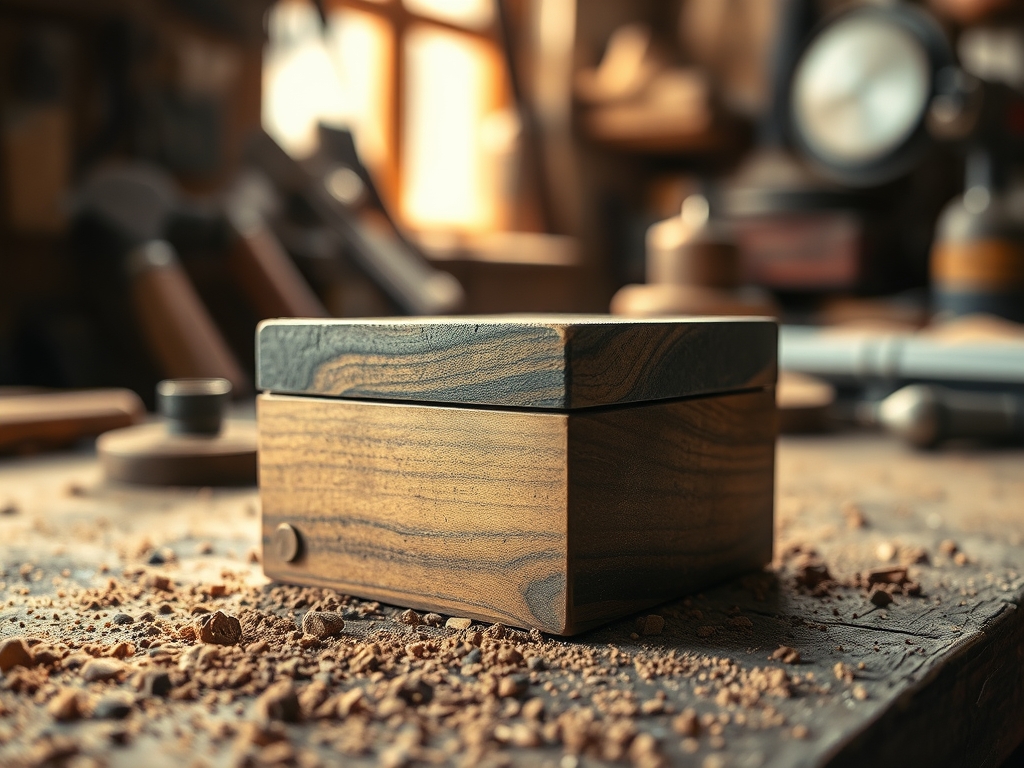
Close your eyes and imagine the scent of freshly planed black walnut mixed with the sharp, metallic tang of a jeweler's saw. It is a sensory overload that signals the start of something monumental. When we dive into Fine Jewelry Box Design, we are not just building a container; we are engineering a micro-environment for precious stones and metals. The weight of the wood in your hand feels substantial because of its high cellular density, while the velvet lining promises a soft landing for delicate gold chains. You can feel the potential energy stored in a raw plank of timber. Every grain line is a roadmap of the tree's history, and your job is to translate that biological data into a masterpiece of geometric precision. We are looking for that perfect click when the lid meets the base, a sound that only happens when your measurements are accurate to the sub-millimeter level. It is about the tactile feedback of a sharp chisel paring away a whisper-thin shaving of wood. This is where art meets the rigorous laws of physics, and honestly, it is the most addictive feeling in the world.
THE STUDIO KIT
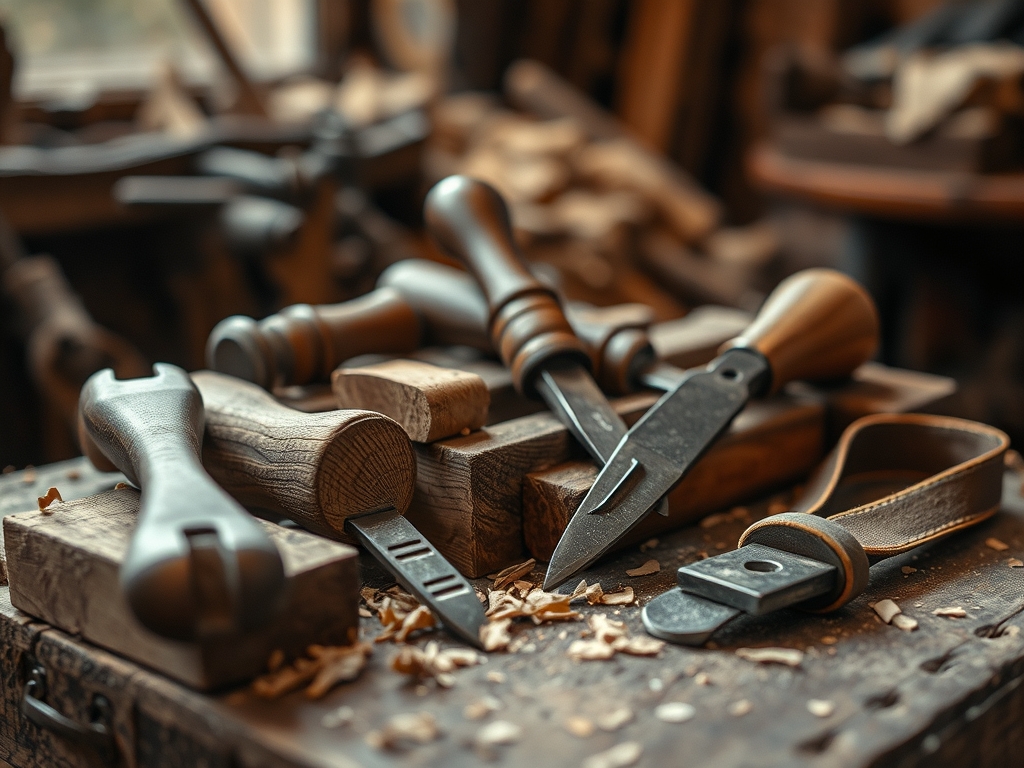
To achieve professional results, your workbench needs to look like a cross between a laboratory and a high-end woodshop. We start with digital calipers for measuring thickness because "eyeballing it" is the enemy of structural integrity. You will need a jeweler's saw with a high TPI (teeth per inch) count to handle intricate inlay work without splintering the wood fibers. For the joinery, a honing guide is essential to maintain a consistent twenty-five degree bevel on your chisels; dull tools tear fibers rather than cutting them, which ruins the capillary action needed for wood glue to bond effectively.
Our material palette focuses on hardwoods with high Janka hardness ratings, such as ebony or maple, to ensure the box does not warp over time. For the interior, we utilize acid-free velvet or sueded pigskin. Standard craft felt contains chemicals that can tarnish silver through off-gassing, so material selection is a matter of chemical safety. If you cannot find premium walnut, a great Material Substitution is cherry wood; it has a similar closed-pore structure but will darken beautifully over time due to UV exposure. For the hardware, choose solid brass quadrant hinges over plated steel to prevent rust and ensure a smooth, weighted swing.
THE TEMPO
The "Maker's Rhythm" is all about managing the moisture content of your materials and the curing times of your adhesives. You cannot rush physics. The Milling Phase takes approximately four hours; this is where you flatten your stock and let it "rest" for twenty-four hours to ensure any internal stresses are released. If you cut into the wood and immediately join it, the release of tension can cause the box to "potato chip" or twist.
The Joinery Phase requires a solid six-hour block of deep focus. This is the heart of the project where your dovetails or miters are cut. Following this, the Assembly and Glue-up takes two hours, but requires a full overnight cure. Finally, the Finishing Phase is a multi-day marathon. You will apply thin coats of shellac or oil, allowing each to polymerize fully before buffing with 0000 steel wool. Total project time usually lands around twenty-five to thirty hours of active labor spread over a week.
THE CORE METHOD
1. Calibrating the Stock
Before the first cut, use your marking gauge to scribe lines based on the exact thickness of your wood. This creates a physical "trench" for your saw to follow. Mastery Tip: Wood is an anisotropic material, meaning it shrinks and expands differently across the grain than along it. Always orient your grain direction to run horizontally around the box to ensure that any seasonal movement happens uniformly, preventing the joints from shearing under internal pressure.
2. Executing the Mitered Joinery
We utilize a forty-five degree miter reinforced with internal keys or "splines." Use a shooting board and a hand plane to shave the miters to a perfect angle. Mastery Tip: The science of a perfect miter relies on surface area contact. By adding a spline made of a contrasting wood, you increase the glue surface area and provide mechanical resistance against the "end-grain" weakness, significantly boosting the tensile strength of the corner.
3. Creating the Padded Insert
The interior requires a custom-fit "deck" made of archival-grade mat board. Wrap your fabric around the board, securing it with a pH-neutral adhesive. Mastery Tip: Use a bone folder to crisp the edges of your fabric. This tool utilizes friction and pressure to compress the fibers of the textile without tearing them, ensuring the insert fits into the wooden carcass with a "friction fit" that requires no glue, allowing for future restoration.
4. Precision Hinge Mortising
Using a sharp marking awl, outline the footprint of your hinges. Remove the waste with a small router plane or a narrow chisel. Mastery Tip: When installing screws, always pre-drill a pilot hole that is eighty percent of the screw's shank diameter. This prevents the wood from splitting due to hoop stress, which occurs when the screw displaces wood fibers outward as it enters the material.
THE TECHNICAL LEDGER
Maintenance & Longevity: To keep your jewelry box in heirloom condition, avoid direct sunlight which breaks down the lignin in wood. Use a high-quality microcrystalline wax rather than aerosol sprays; the wax creates a moisture-resistant barrier that does not attract dust or fingerprints.
Material Variations:
- Sustainable: Bamboo ply offers incredible stability and a modern aesthetic.
- Recycled: Reclaimed bog oak provides a prehistoric, mineral-stained look with extreme density.
- Premium: Rare burl woods offer chaotic grain patterns that serve as natural art.
The Correction:
- The Gap: If your miter has a tiny gap, mix fine sawdust from the project with wood glue to create a matching filler.
- The Bind: If the lid sticks, check for "high spots" using a pencil rub; sand only where the lead transfers.
- The Tarnish: If jewelry darkens inside, you likely used a high-VOC glue. Replace the lining with one bonded by a water-based, archival adhesive.
Studio Organization: Store your wood flat in a climate-controlled area. Never store your jewelry box project on a concrete floor, as the hygroscopic nature of wood will pull moisture from the stone, leading to permanent bowing.
THE FINAL REVEAL
There is nothing quite like the moment you pull the final coat of wax across the surface and see the grain "pop" with three-dimensional depth. Your Fine Jewelry Box Design is now a functional vault. When you run your fingers over the corners, the transition between the wood and the brass hardware should be seamless, feeling like a single, continuous object. The weight is balanced, the scent is divine, and the interior is a plush sanctuary for your most cherished items. You have successfully conquered the physics of wood movement and the chemistry of finishing. You did not just make a box; you engineered a legacy piece that will outlast us all.
STUDIO QUESTIONS
Why is grain direction important in jewelry box design?
Grain direction dictates how wood expands with humidity. Aligning grain horizontally ensures the box moves as one unit, preventing joints from cracking or the lid from seizing during seasonal changes in moisture.
Can I use regular craft glue for the velvet lining?
No. Standard glues often contain acidic compounds that off-gas over time. This chemical reaction can cause "tarnish" or corrosion on silver and gold jewelry. Always use pH-neutral, archival adhesives for interiors.
What is the best way to fix a wobbly box?
A wobble usually means the base isn't perfectly flat. Use a piece of 220-grit sandpaper taped to a glass surface (a "dead flat" reference) and lightly sand the bottom of the box in a figure-eight motion.
How do I prevent wood from splitting when installing tiny screws?
Always use a drill bit to create a pilot hole slightly smaller than the screw. This removes a core of wood, reducing the internal pressure and "hoop stress" that causes the wood fibers to separate and split.